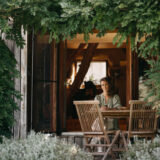
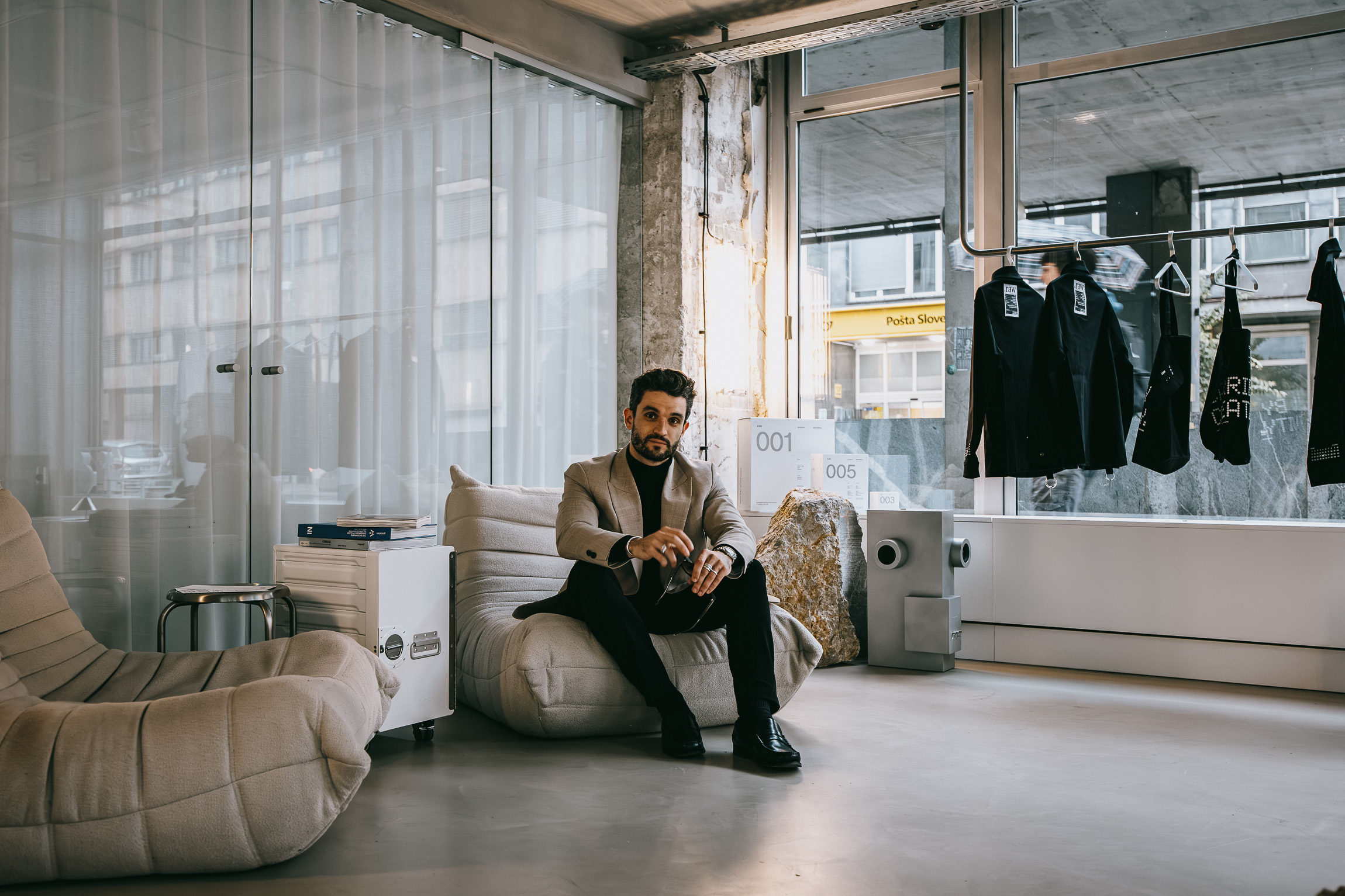
Tamir Morris Potokar Grays is a creative director, designer, photographer, and founder of the creative hub .raw lab d.o.o. He has built his career through diverse roles in design, marketing, digital products, and photography. To date, he has contributed to the design and launch of over 100 brands and web projects, successfully backed 8 Kickstarter campaigns, co-created two viral AI platforms, and managed logistics processes for Rolls-Royce Motor Cars. Tamir is also a co-founder of the new gastronomic destination Bagel Embassy—a newly opened spot in Ljubljana with a distinct global flair.
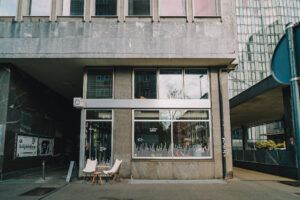
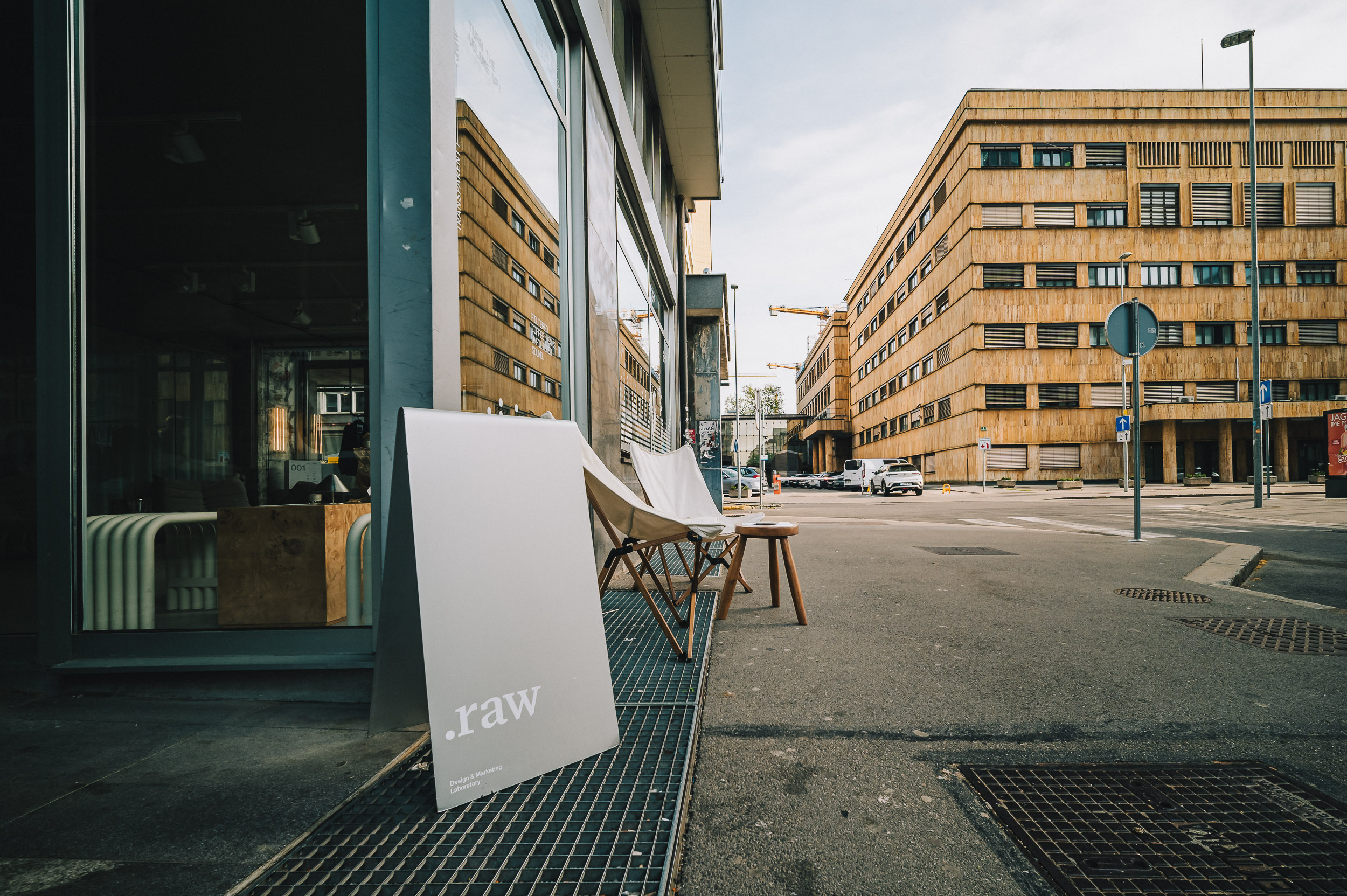
Located at Slovenska cesta 58 in Ljubljana, the space serves as a quiet yet thoughtful hub of contemporary creativity. .raw combines a studio, a specialty coffee shop, and a conceptual store, yet transcends these roles with its own unique interpretation. It is a creative laboratory where visual culture, interior design, and reflections on space intertwine.
How did the idea for .raw come about?
For us, every project represents a new opportunity to learn and experiment. We approach each one as if it were a blank sheet of paper—without any predetermined solutions. We are guided by analysis, workshops, and data. We don’t impose our aesthetic; instead, we discover it together with the client. Through in-depth research, workshops, and testing, we shape an identity that is truly unique to each brand. It’s important to understand that a brand isn’t what a company thinks of itself, but how its audience experiences it.
.raw is, in a way, a spatial extension of this process—a space where this way of thinking can become visible and accessible to a wider audience.
How does your space differ from traditional agency spaces?
Traditional agency spaces are often closed-off environments designed for work and client interactions. We wanted to take it a step further. Our space isn’t closed off—it’s open. It’s not just for production, but also for the experience. People can come in, see what we’re doing, and get a sense of how we think. In a way, we’re blurring the line between work and the public.
Why did you combine an office, gallery, shop, and social space into a single concept?
Many studios communicate exclusively with clients, but we wanted to connect with the public as well. That’s why we created a space where anyone can take a piece of .raw home with them—whether as a product, an experience, or a feeling. At the same time, the space functions as a platform for socializing and connecting, from informal “hangouts” to events. Our own creative work is also an important part of this—the space allows us to develop our own products, host pop-ups, and collaborate with other brands. .raw is thus not just a studio, but an open ecosystem of creativity.
Which element in the space served as the starting point and defined everything else?
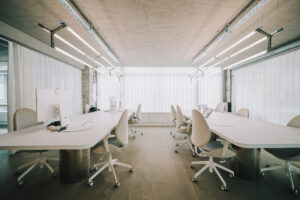
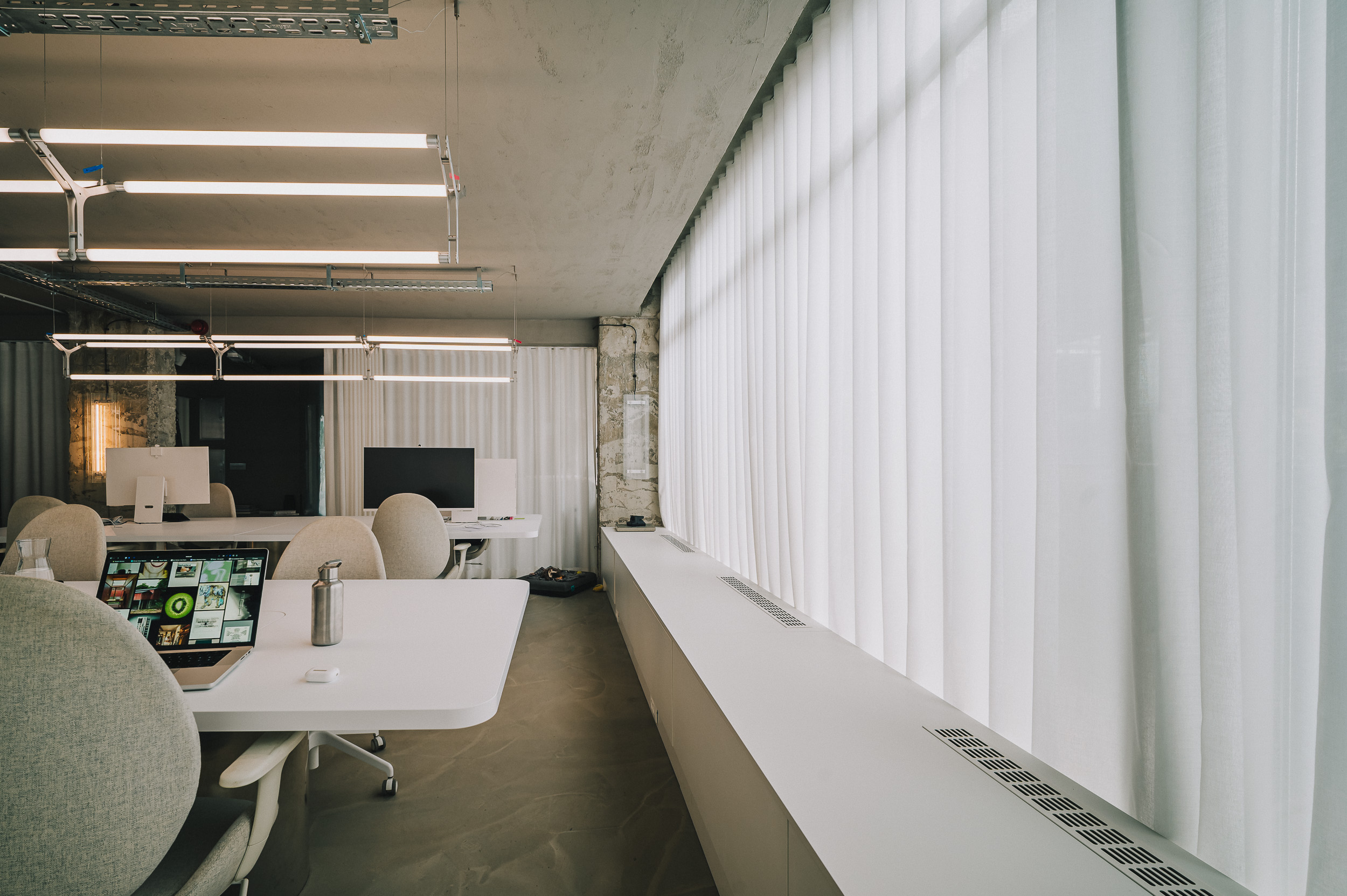
The starting point was the workspace. Everything else developed from there. How we work, how we move, how we communicate—this defined the layout, flow, and organization of the entire space..
How did you choose the materials, and what did you hope to convey through this choice?
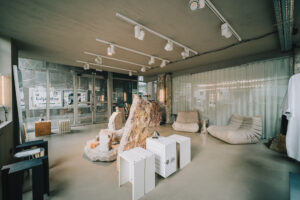
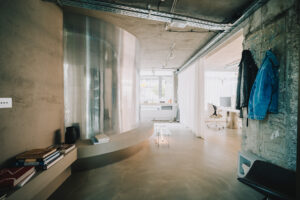
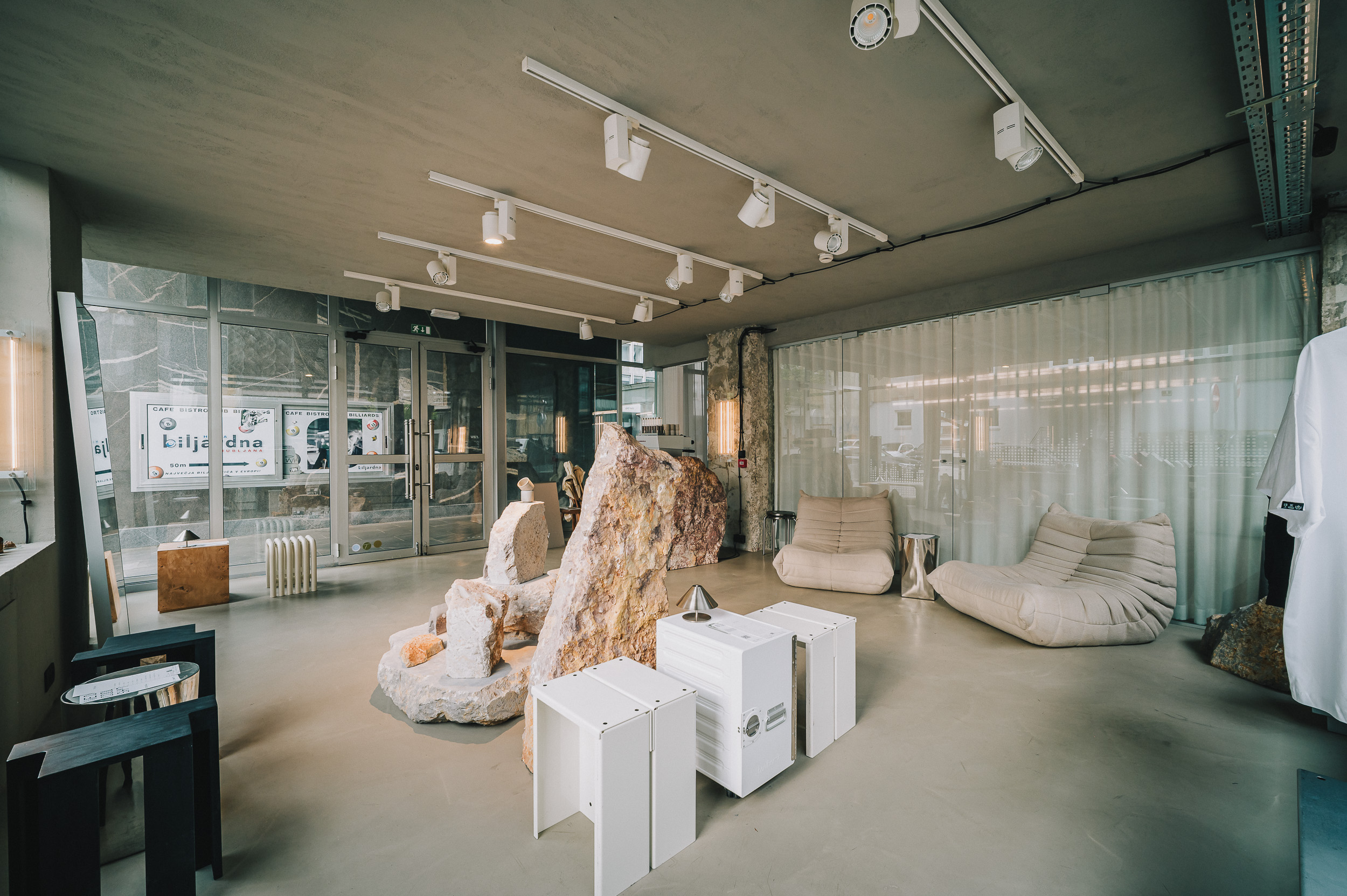
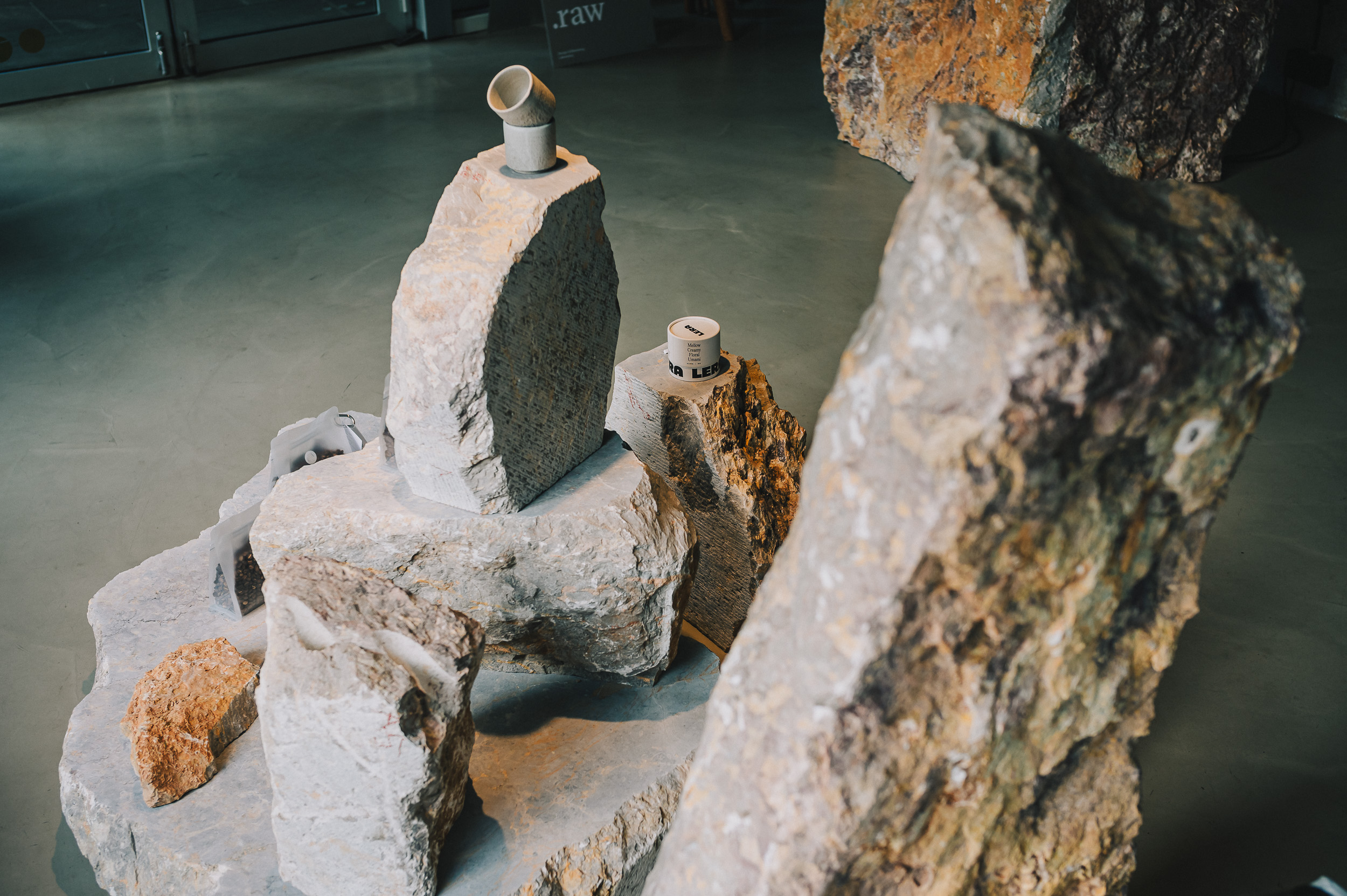
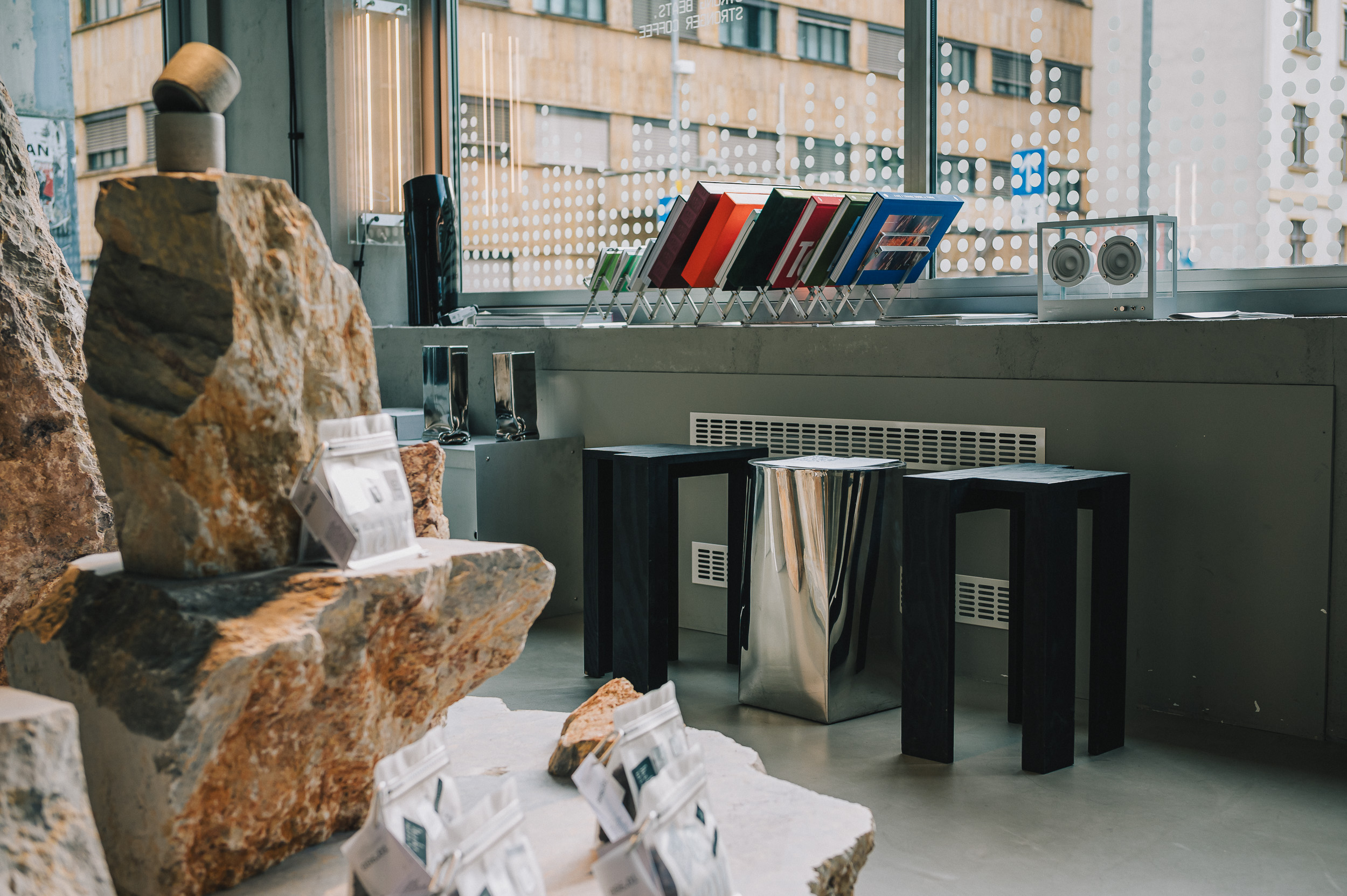
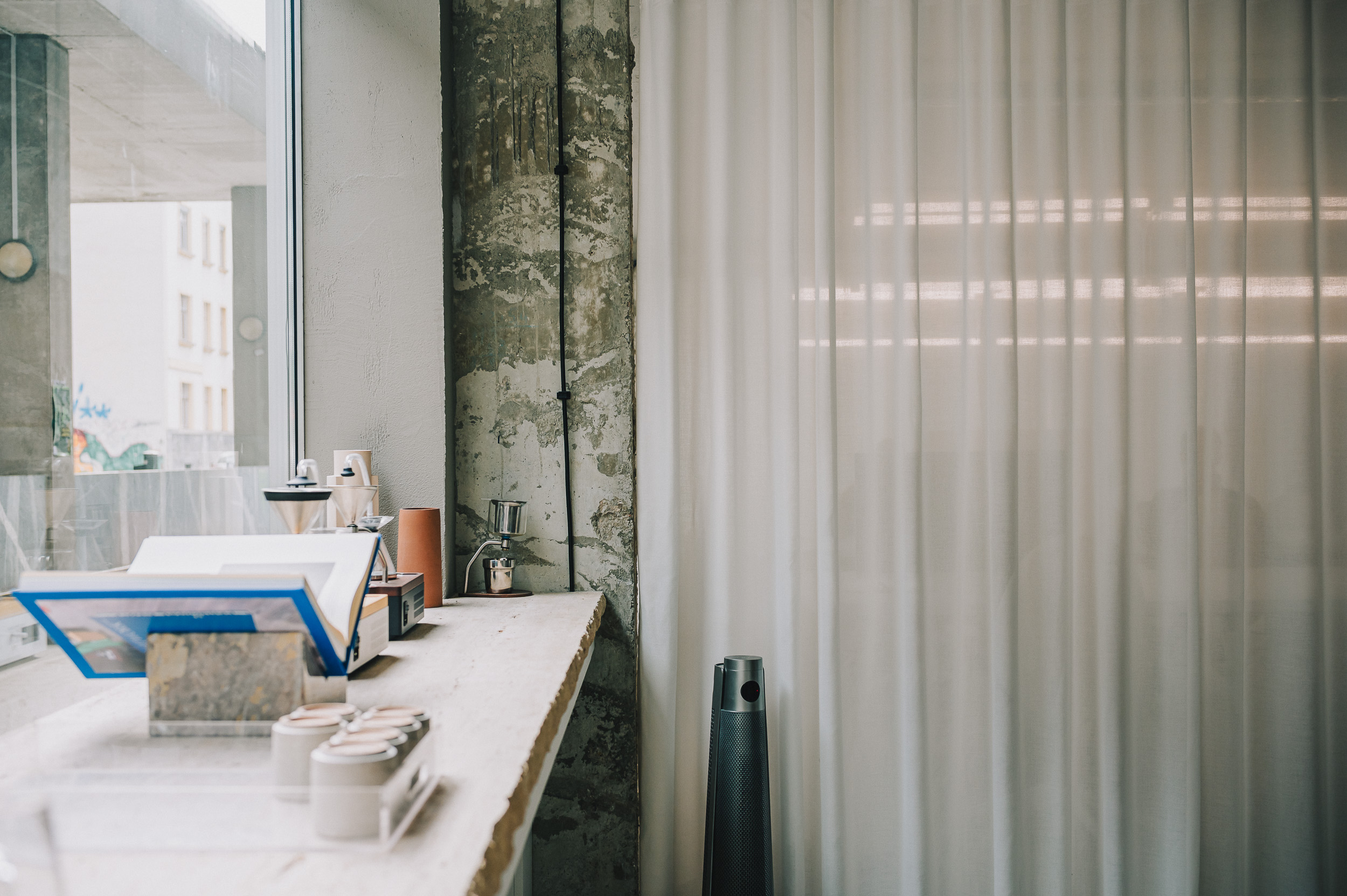
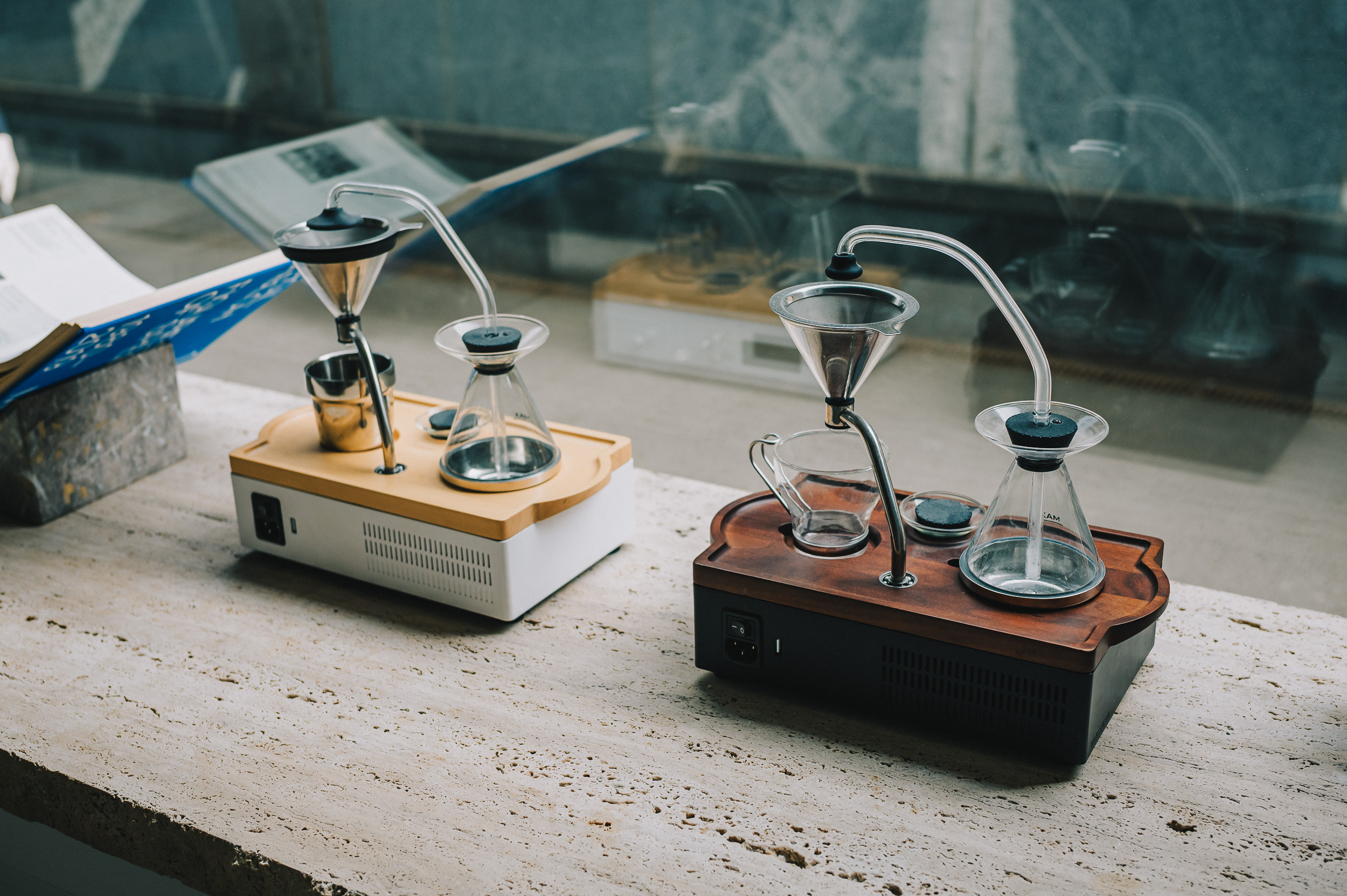
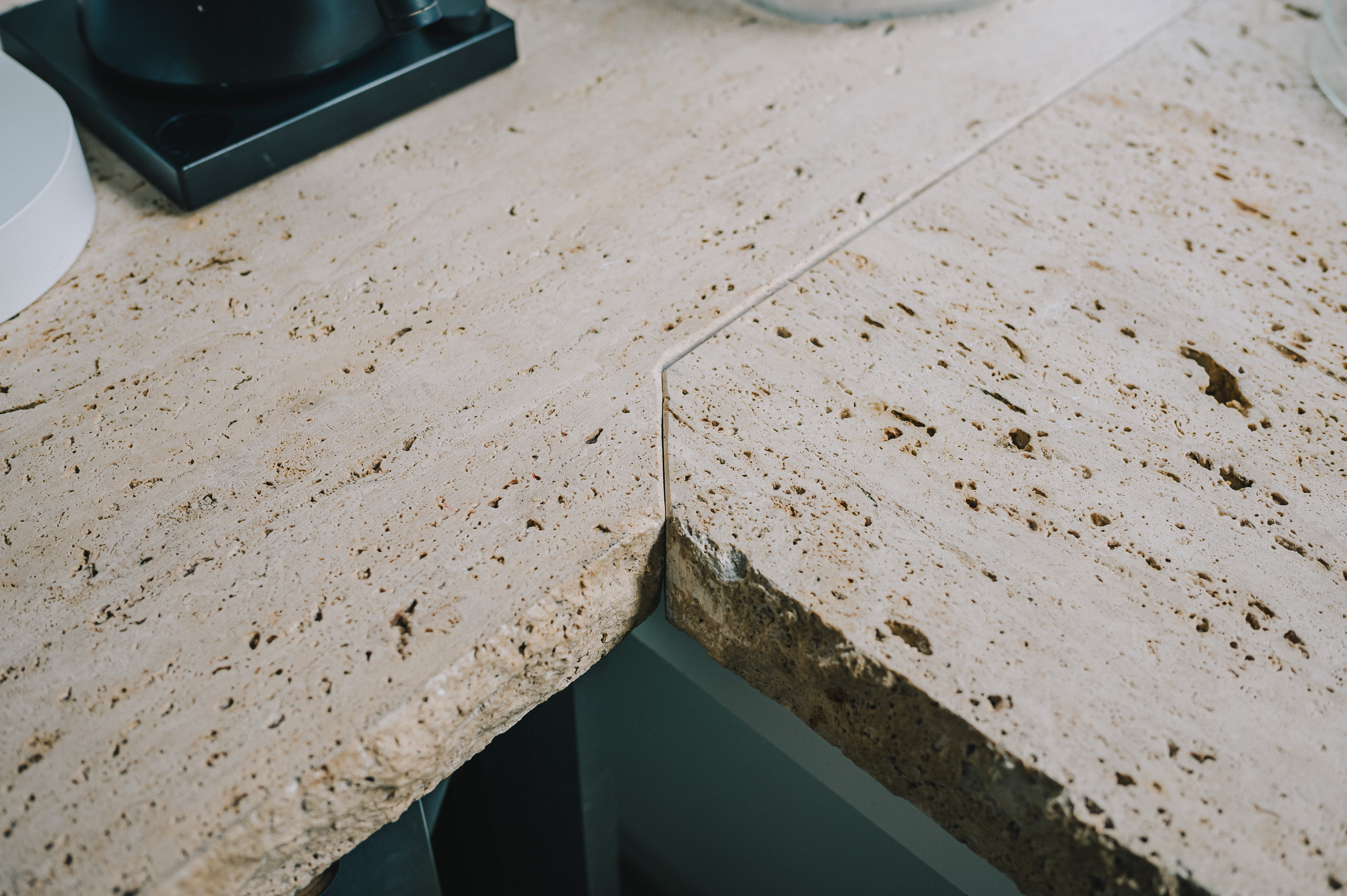
The materials were chosen very deliberately. The space is intentionally unadorned—raw stone, concrete, glass, and metal create an almost archaeological setting. The massive stone elements are not mere decoration, but the bearers of the story. They function as display elements, work surfaces, and spatial accents. They create a dialogue between the weight of the material and the lightness of contemporary design. Glass, on the other hand, opens up the space—revealing the inner workings and blurring the boundary between the process and the visitor. Nothing is hidden; on the contrary, the process is part of the experience.
How do you combine cold materials (concrete, metal) with a sense of warmth?
Warmth does not necessarily come from the materials themselves, but from the way the space comes alive. Raw materials create a clear, strong foundation, while warmth is brought by people, light, movement, and interaction. It was important to us that the space did not feel sterile, but alive.
Did you design the lighting primarily as a functional element or as a way to create atmosphere?
Both. First and foremost, light must be functional—enabling focus, work, and clarity. At the same time, it is one of the key elements of atmosphere. It helps us define the feel of a space, its dynamics, and its mood throughout the day.
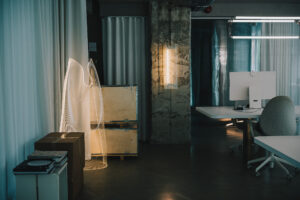
Your space is entirely surrounded by windows—how does this affect your work and visibility?
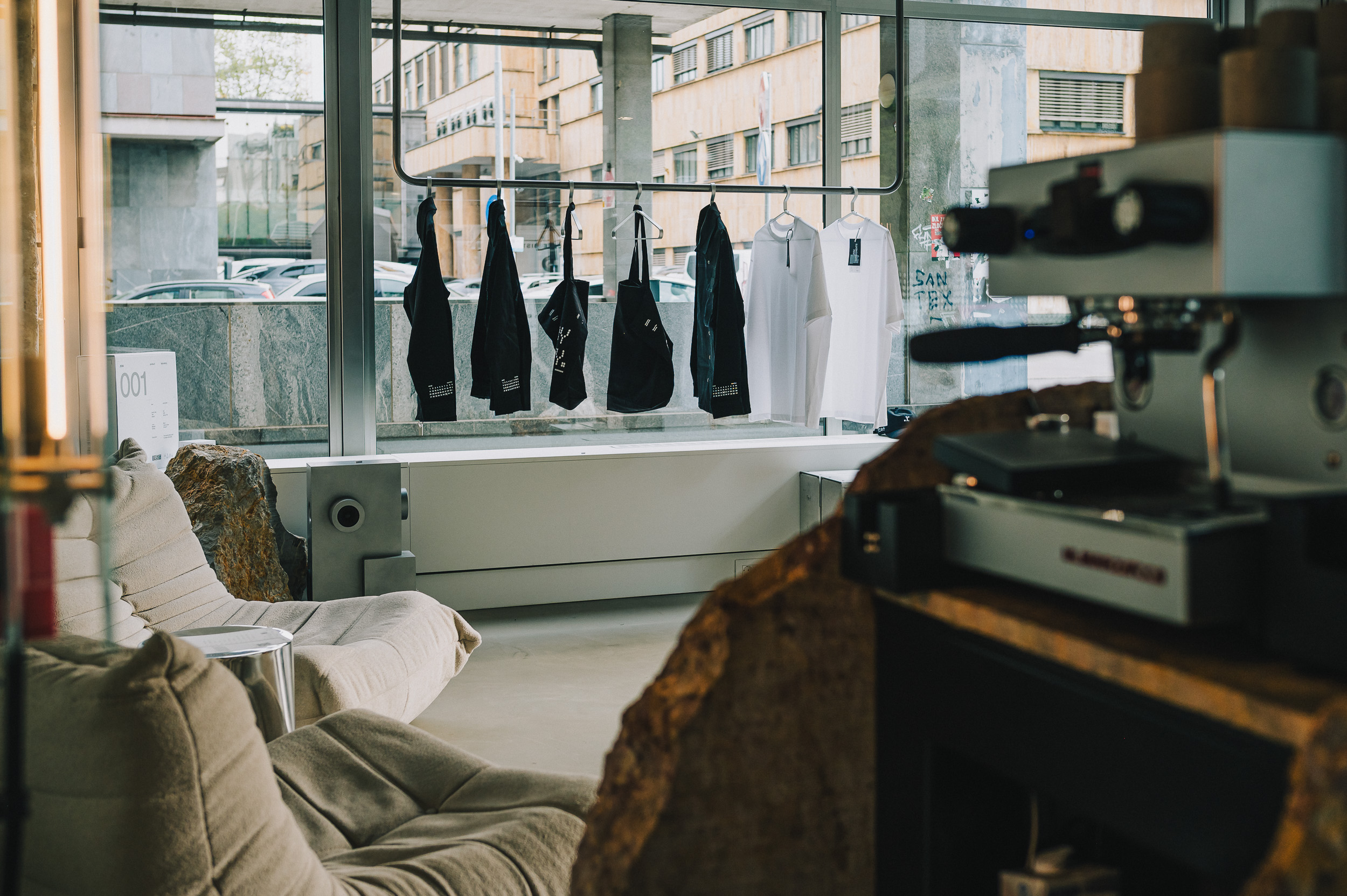
Glass surfaces are key. They reveal what’s happening inside and make the process visible. People can observe from the outside what’s going on, which creates a different kind of relationship—more open, more sincere. At the same time, this also affects the way we work—more light means more energy; the space breathes.
Is there a corner that has unexpectedly become the most useful?
Interestingly, it’s the transitional and “informal” parts of the space that have become the liveliest. That’s where spontaneous conversations and hangouts take place; people stop, get to know each other, and connect. The .store also plays an important role in this, as it’s not just a shop, but an extension of the space where visitors can take a piece of our philosophy home with them.
Are you planning to expand your operations abroad as well?
We’ve been thinking globally from the very beginning. Our team is spread across Europe, as we have people from Slovenia, Italy, France, Croatia, Ukraine, England… This allows us to be a melting pot of different cultures and approaches. Paris, where we have a branch office, is an important hub for us because of the talent, the clients, and its role as a global hub. Since we work with clients from the U.S., Asia, Europe, and the Middle East, it’s important for us to be present where things are happening.
What advice would you give to companies creating their first creative space?
First, they need to understand that a space isn’t just a physical location, but an extension of the brand. It’s not about the space looking good, but about it making sense—for the people who work there and for the people who experience it.
The second thing is the balance between creativity and organization. The idea is important, but without a system, it won’t last.
And third—patience. A good space, just like a good brand, isn’t created overnight. It’s a process that’s built over time, through experience, and by the people who use it.
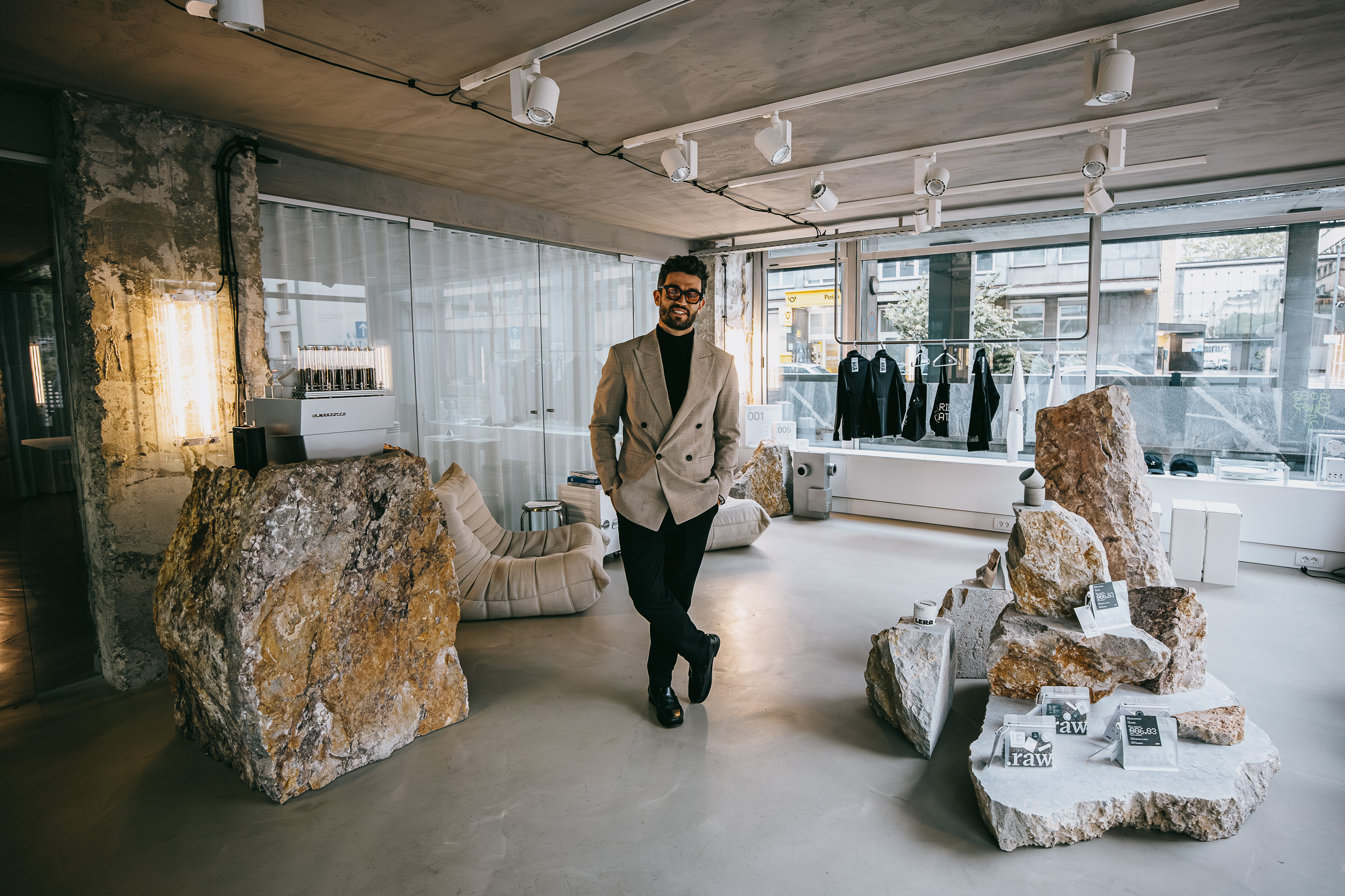
BAZA NAVDIHA: Tamir Moriss Potokar Grays