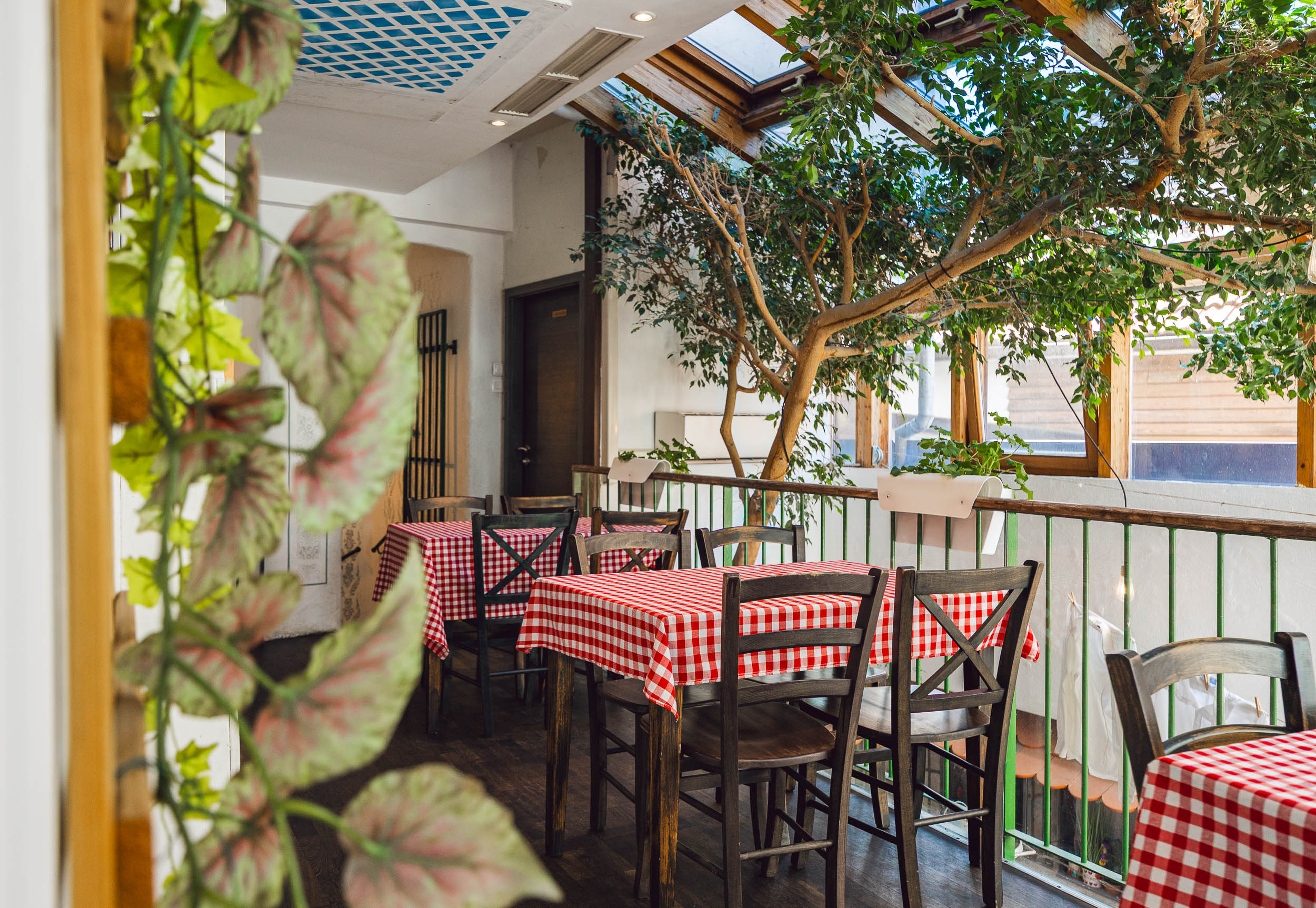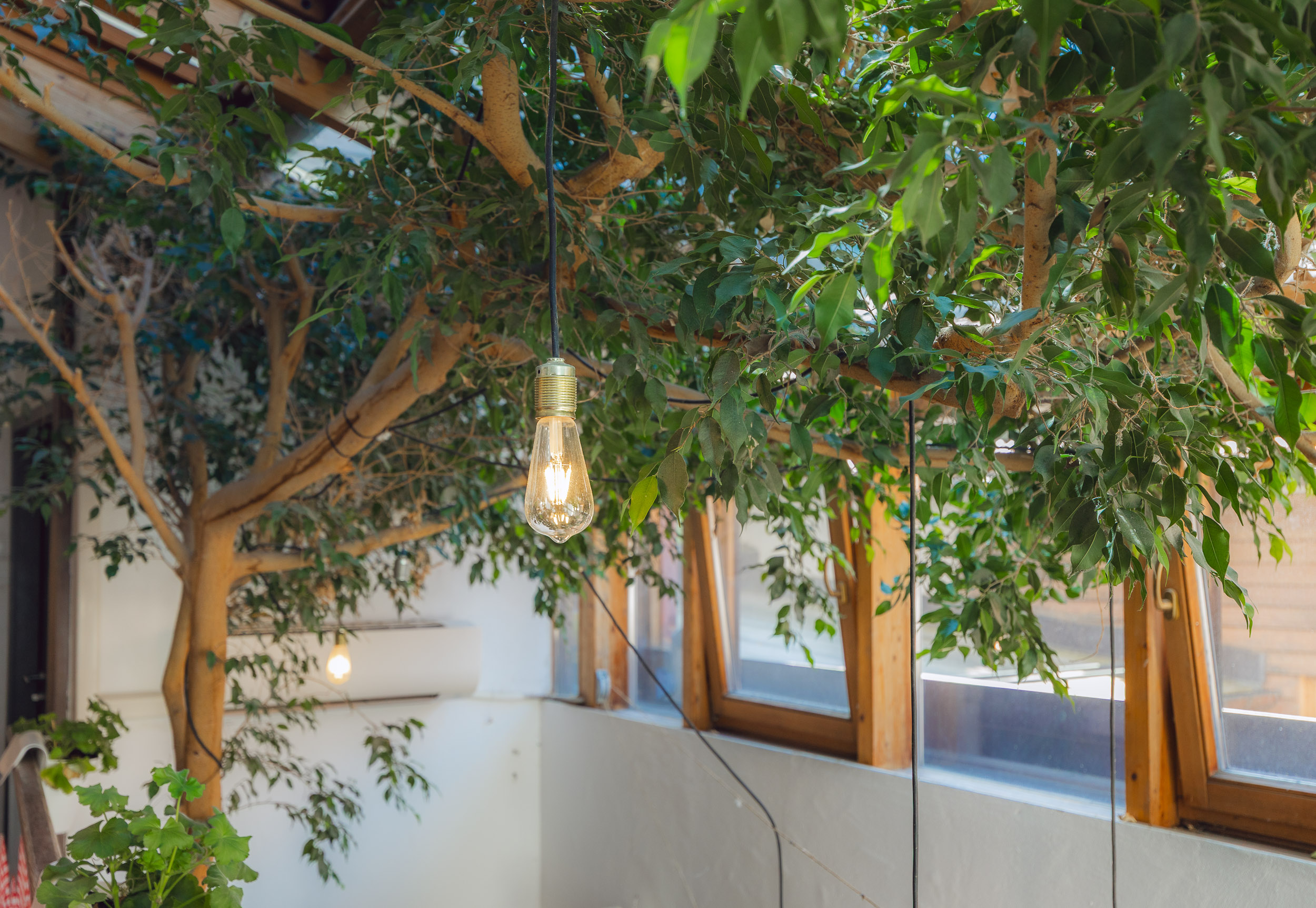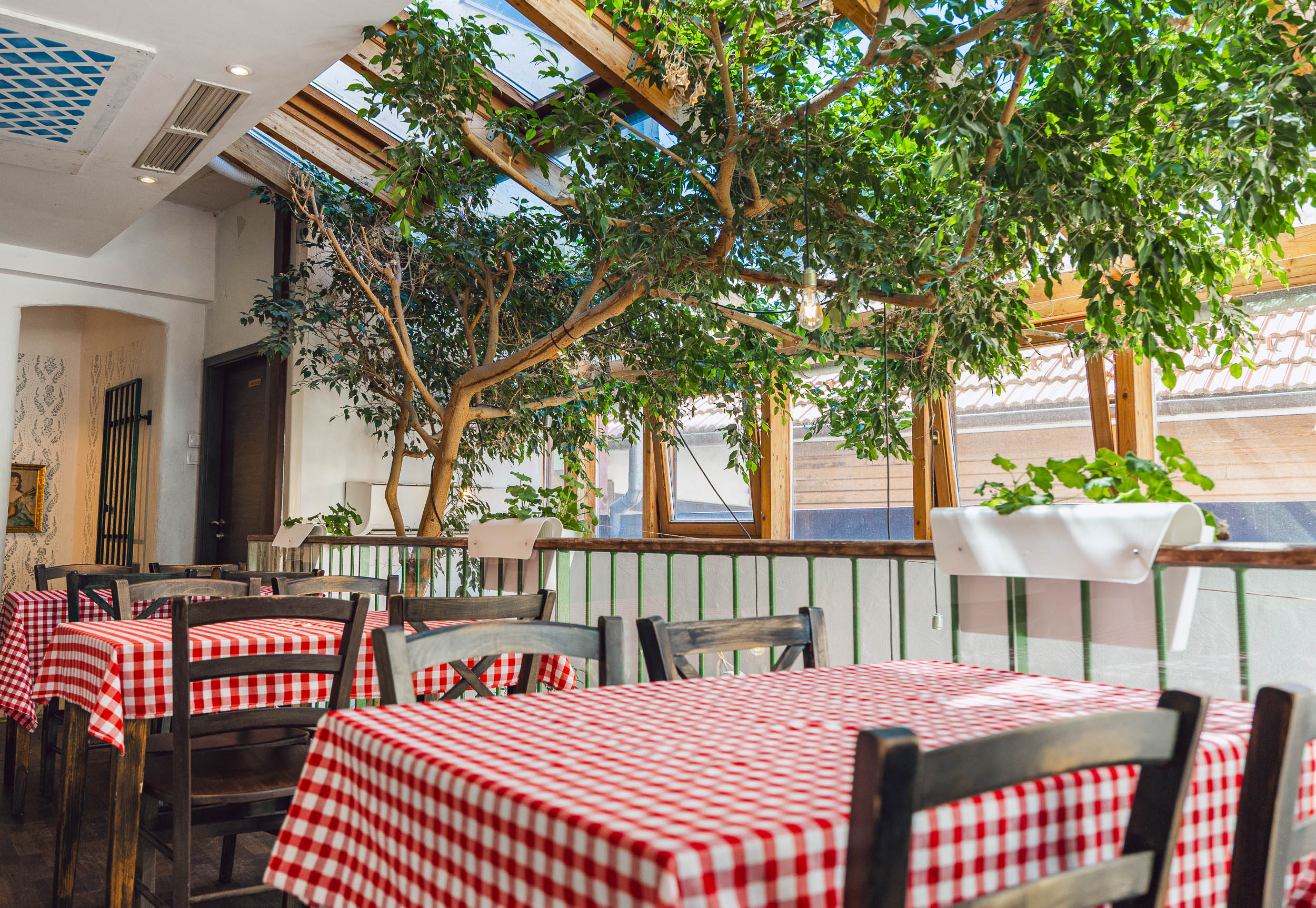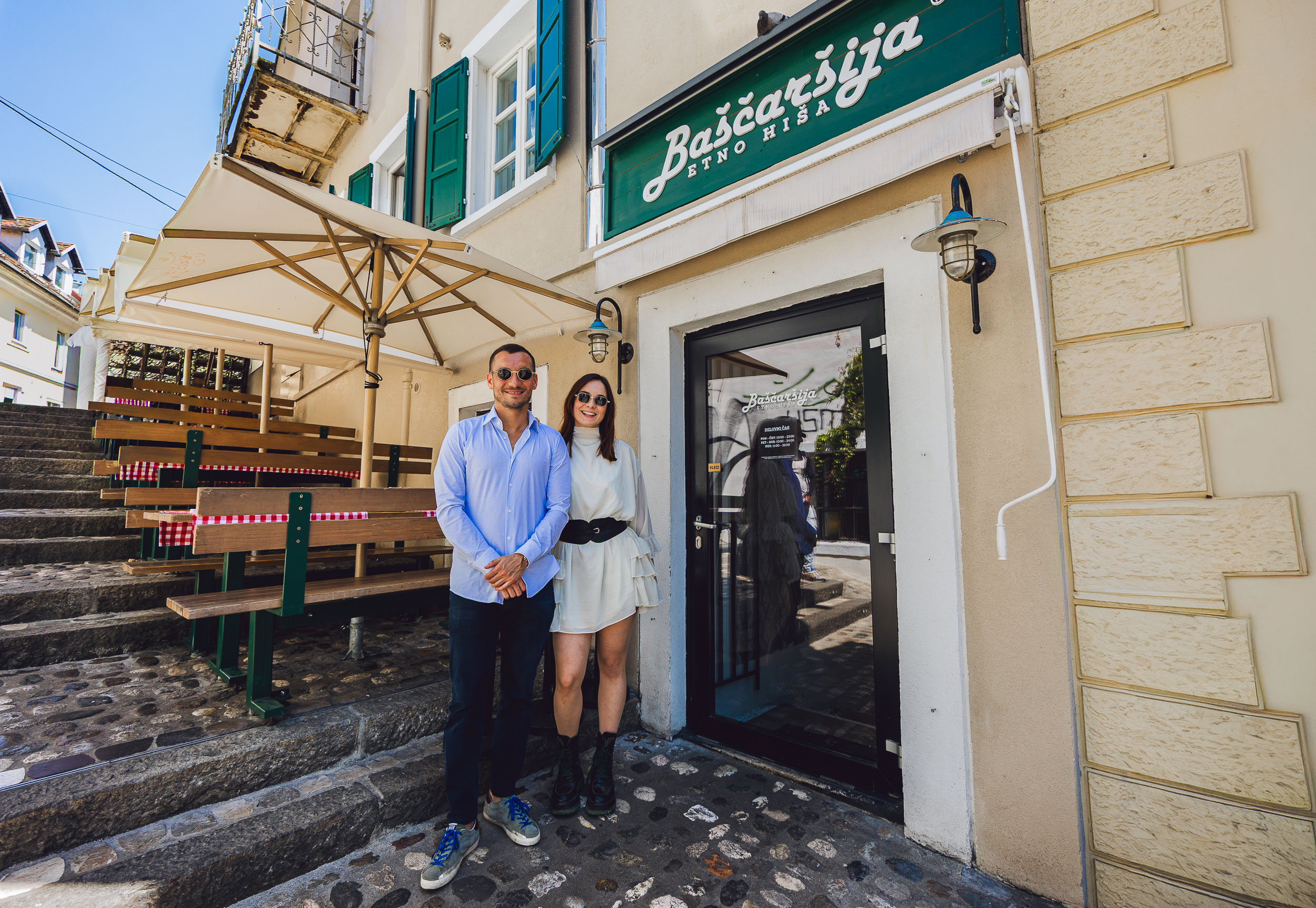
Baščaršija is a chain of ethnic restaurants stretching from Maribor and Ljubljana all the way to Koper. Zekira and Saša Marković, the parents of Aljoša and Maja, began writing this story in 2008, and the kids are now taking the reins of this exceptionally successful venture.
The parents moved to Slovenia from Bosnia in 1992, but their story began in their youth in Maribor when they agreed to meet halfway, as the father at the time was living in Switzerland and the mother in Bosnia. They say the way to a person’s heart is through their stomach, and their story is a reflection of that.
How did the story of Baščaršija begin? Was there a specific moment or feeling that sparked the creation of this story?
It all began when our mom and dad opened their first pizzeria in Maribor in 1995, followed by a second location. Since the number of pizzerias in the city suddenly increased during that period, they decided to take a different path in the restaurant business. Above all, they wanted to be unique and infuse their new project with a sense of home. They achieved this by looking to their roots, which lie in Bosnia, and thus brought authentic Balkan cuisine to Slovenia.
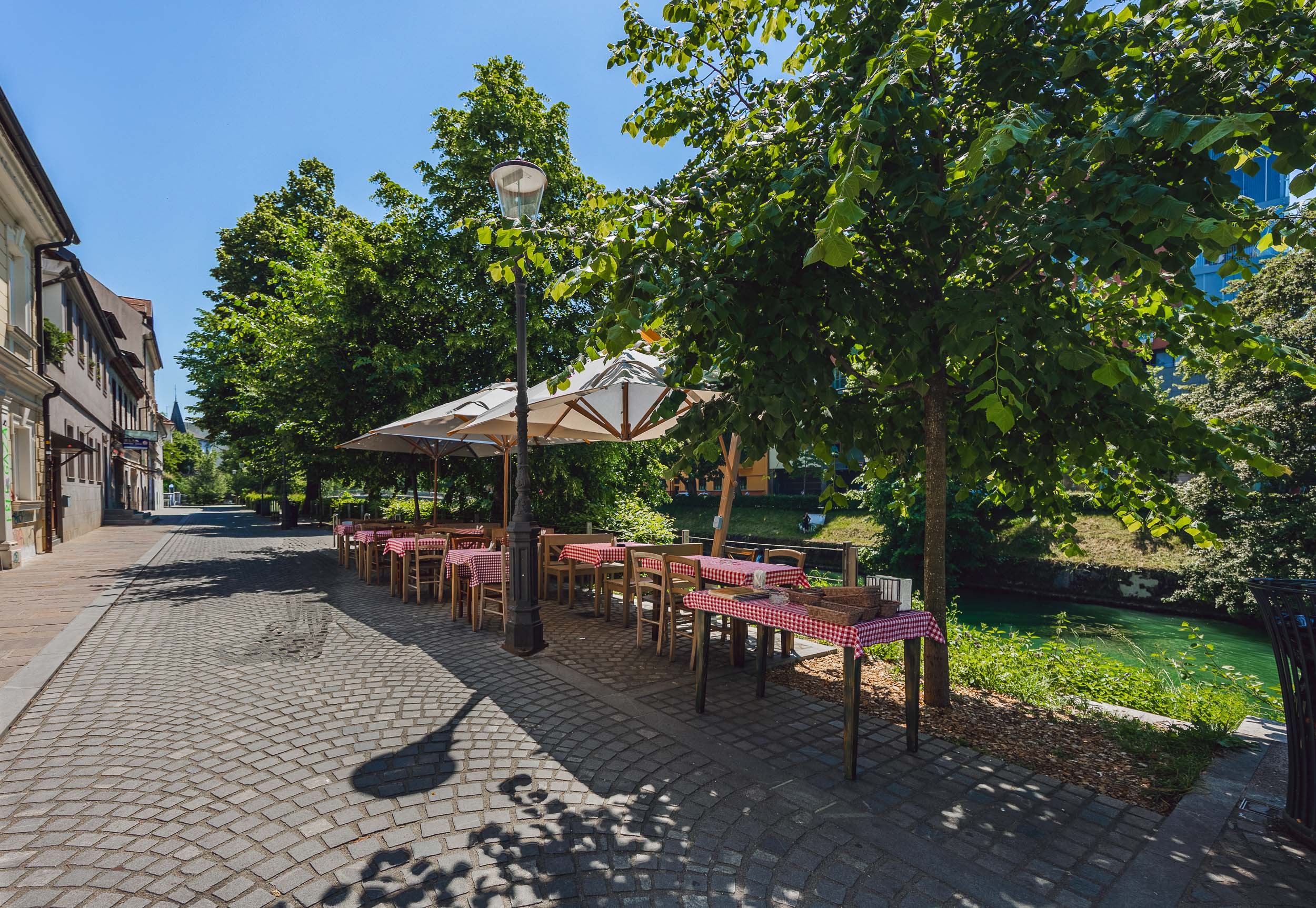
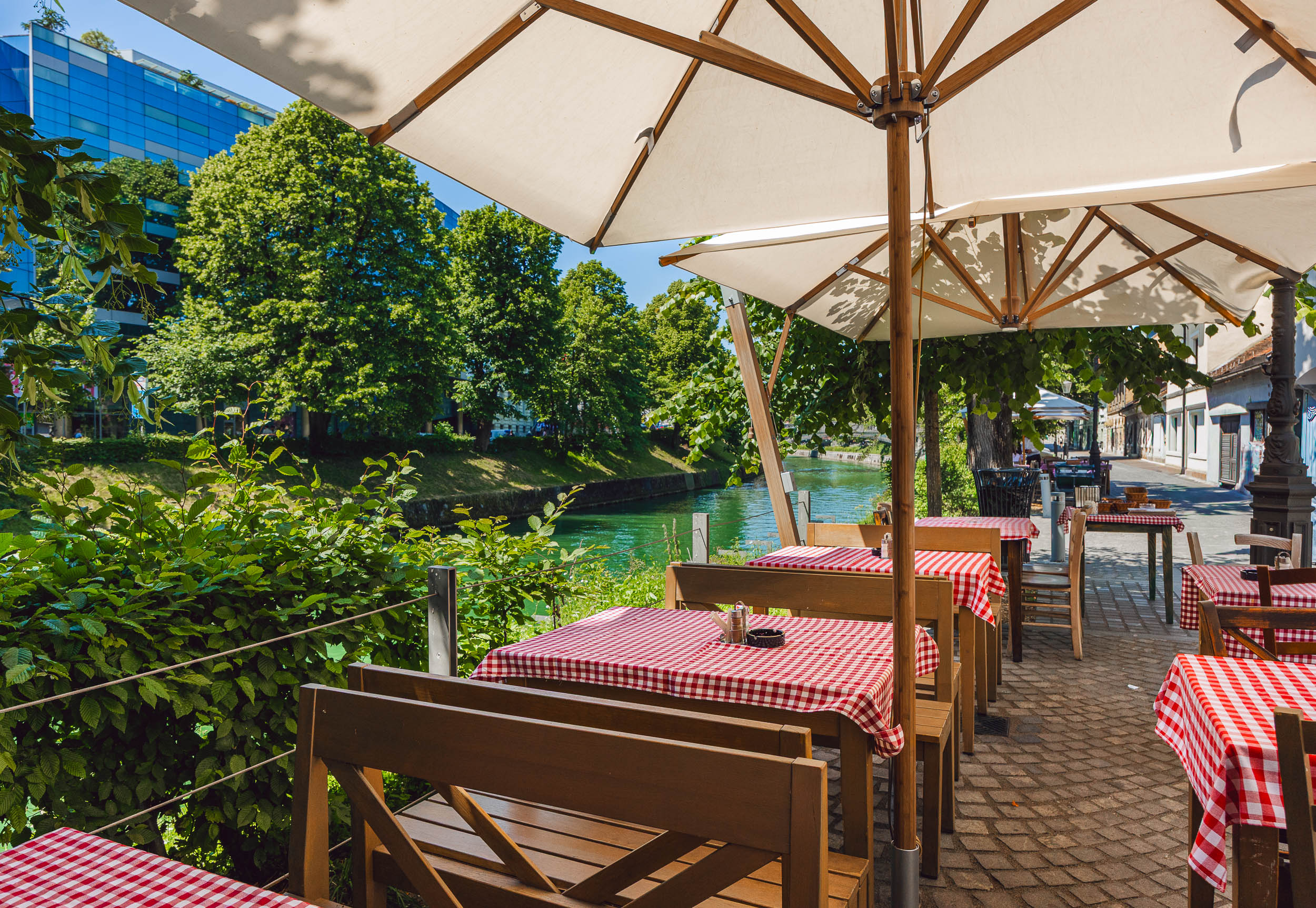
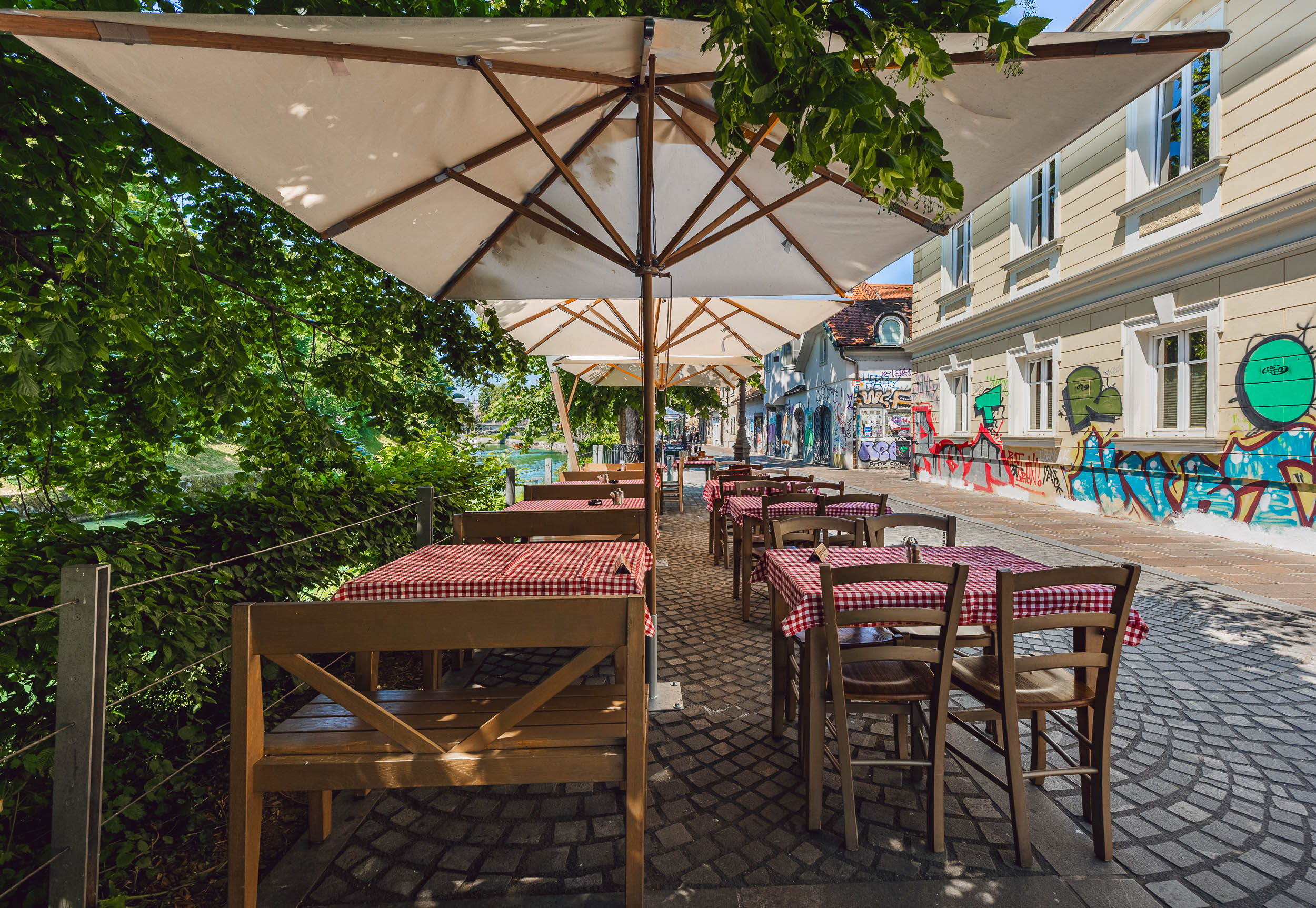
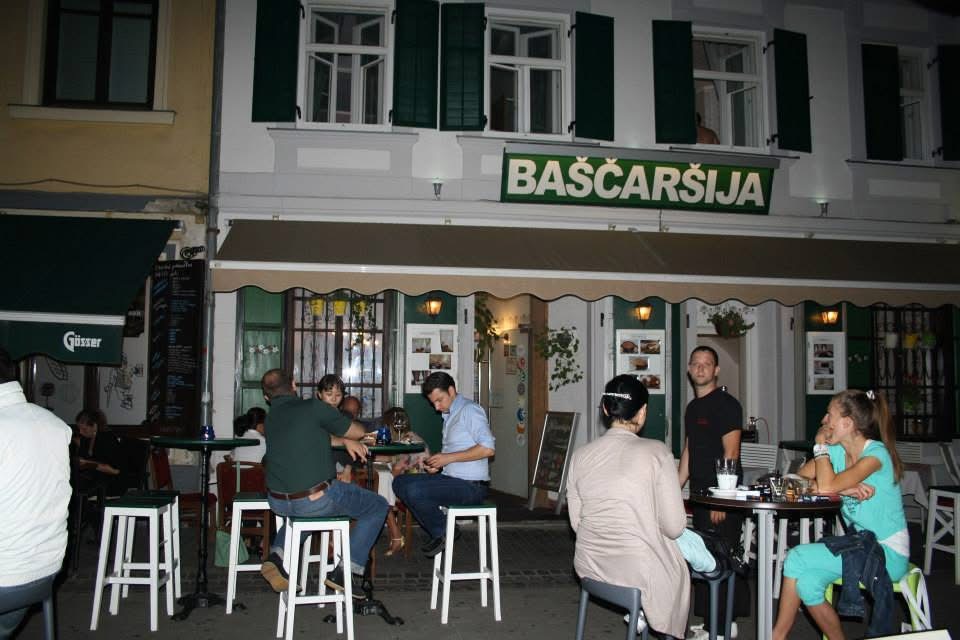
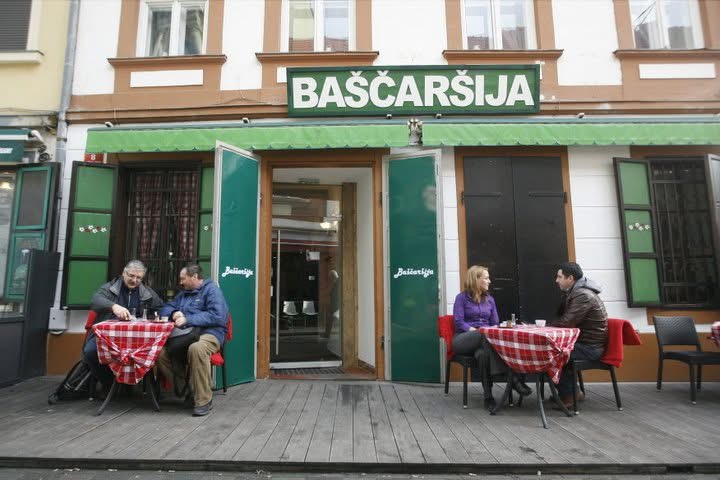
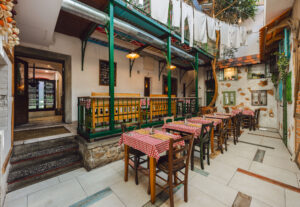
In 2008, they opened the Sarajevo snack bar, which was smaller at the time—a space of about 70.00 m²—and is where Baščaršija Gosposvetska is currently located, now expanded to about 140.00 m². A year later, they spotted an exceptional opportunity—a space for sale on Poštna Street—and seized it, opening Baščaršija, which now serves as the foundation for the brand.
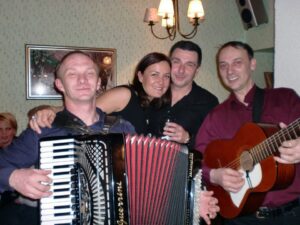
Zekira and Saša Marković, personal arhive
At that time, Poštna Street wasn’t as busy as it is now. What has changed?
In 2012, Maribor was named the City of Culture, which spurred the organization of events and concerts throughout the city, including a concert on Poštna Street. The concert was initiated by restaurant owners along the entire street, and as a result, the Poštna Association was formed, which continues the tradition of hosting events on this street.
Which of the restaurants is closest to your hearts?
The restaurant on Poštna is very dear to both of us, since we spent a lot of time there as children, and this location represents the beginning of Baščaršija’s story for us.
Which places, spaces, or people would you highlight as key influences in the creation of Baščaršija?
Dragan Gačnik is definitely one of the key figures behind our visual identity; with his knowledge and expertise, he guides the elements of Baščaršija throughout all our locations. However, the foundation was laid by my mother, who, in addition to the visual identity, also created all the recipes.
How do you maintain authenticity as you expand the story to multiple locations?
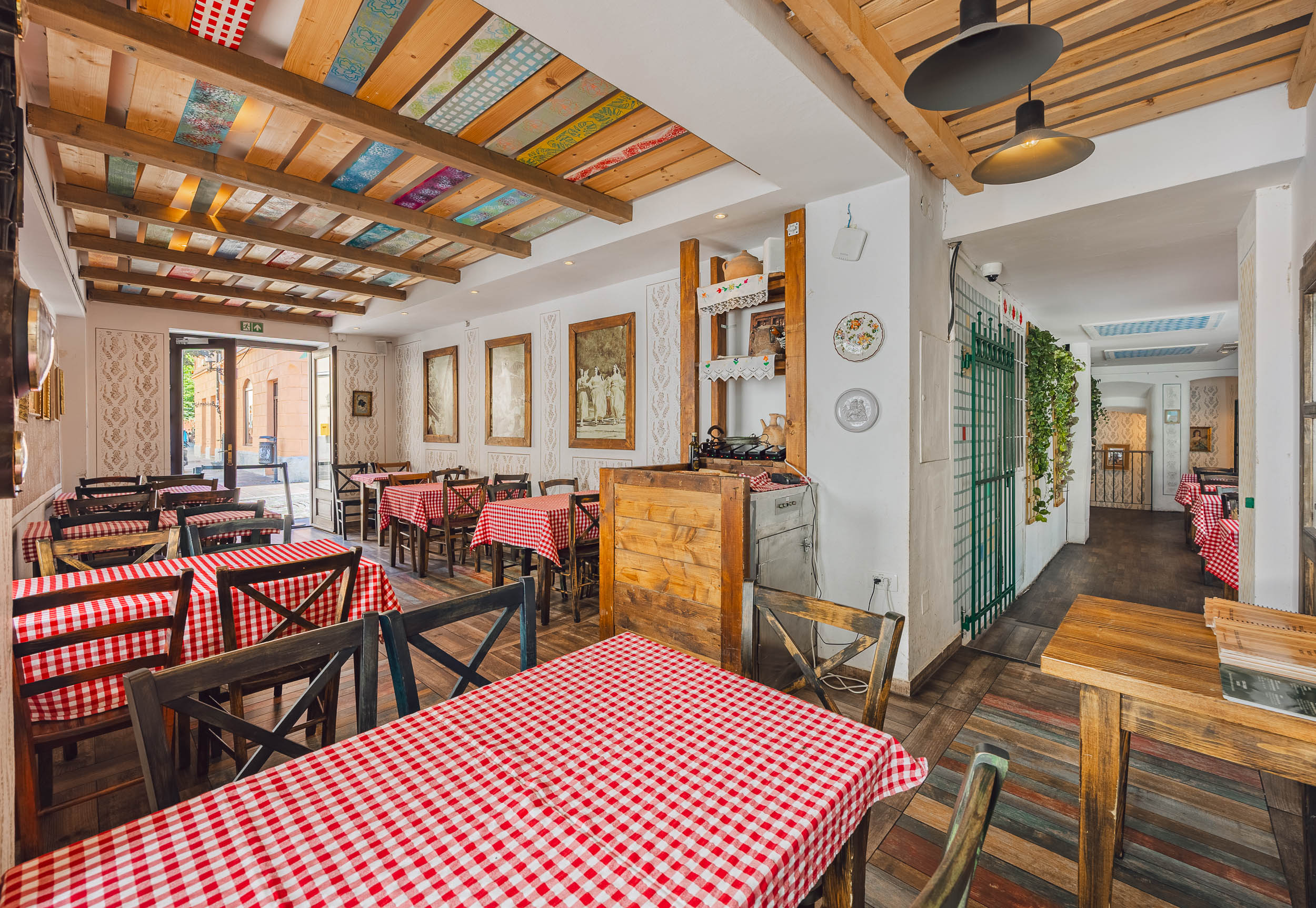
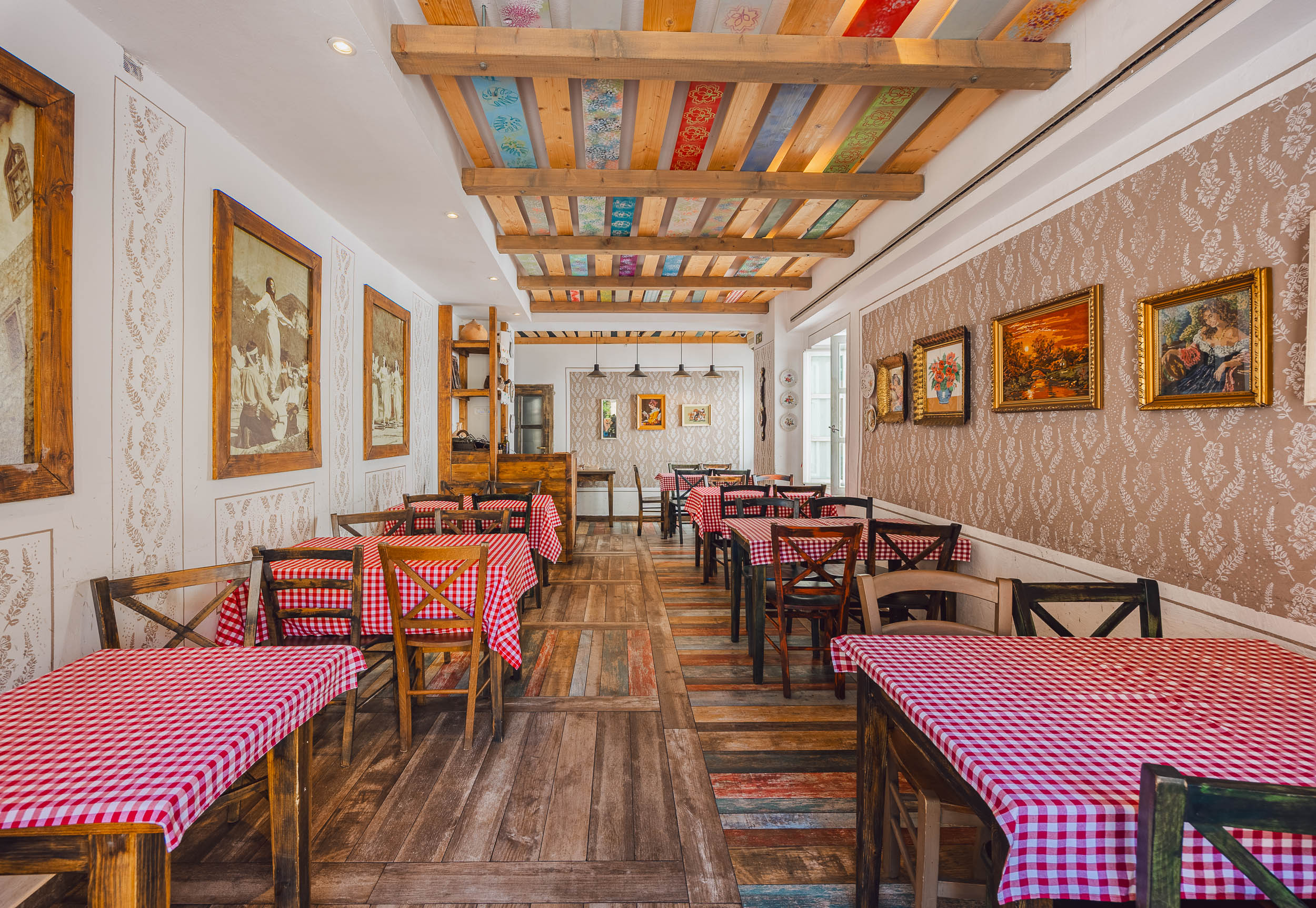
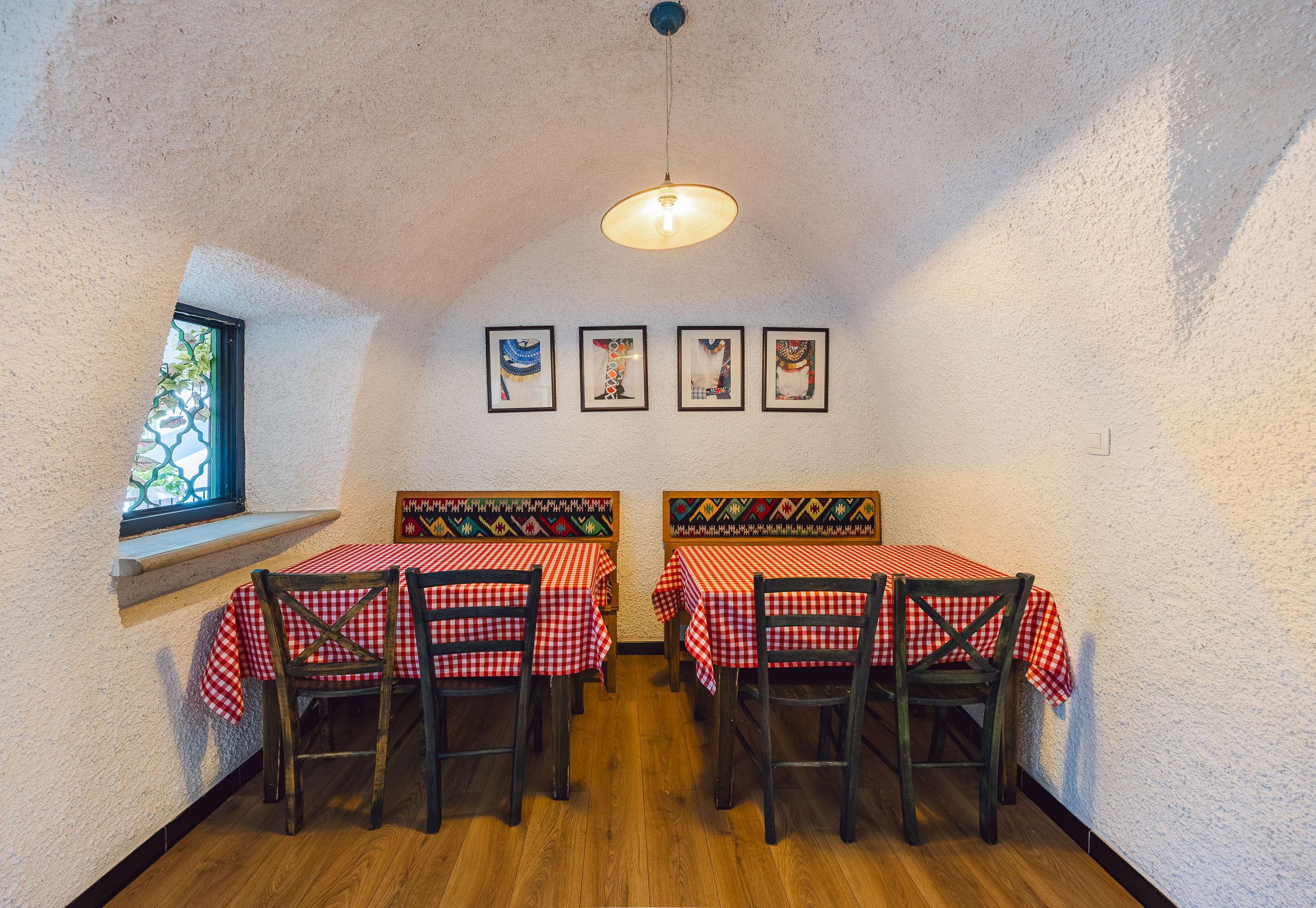
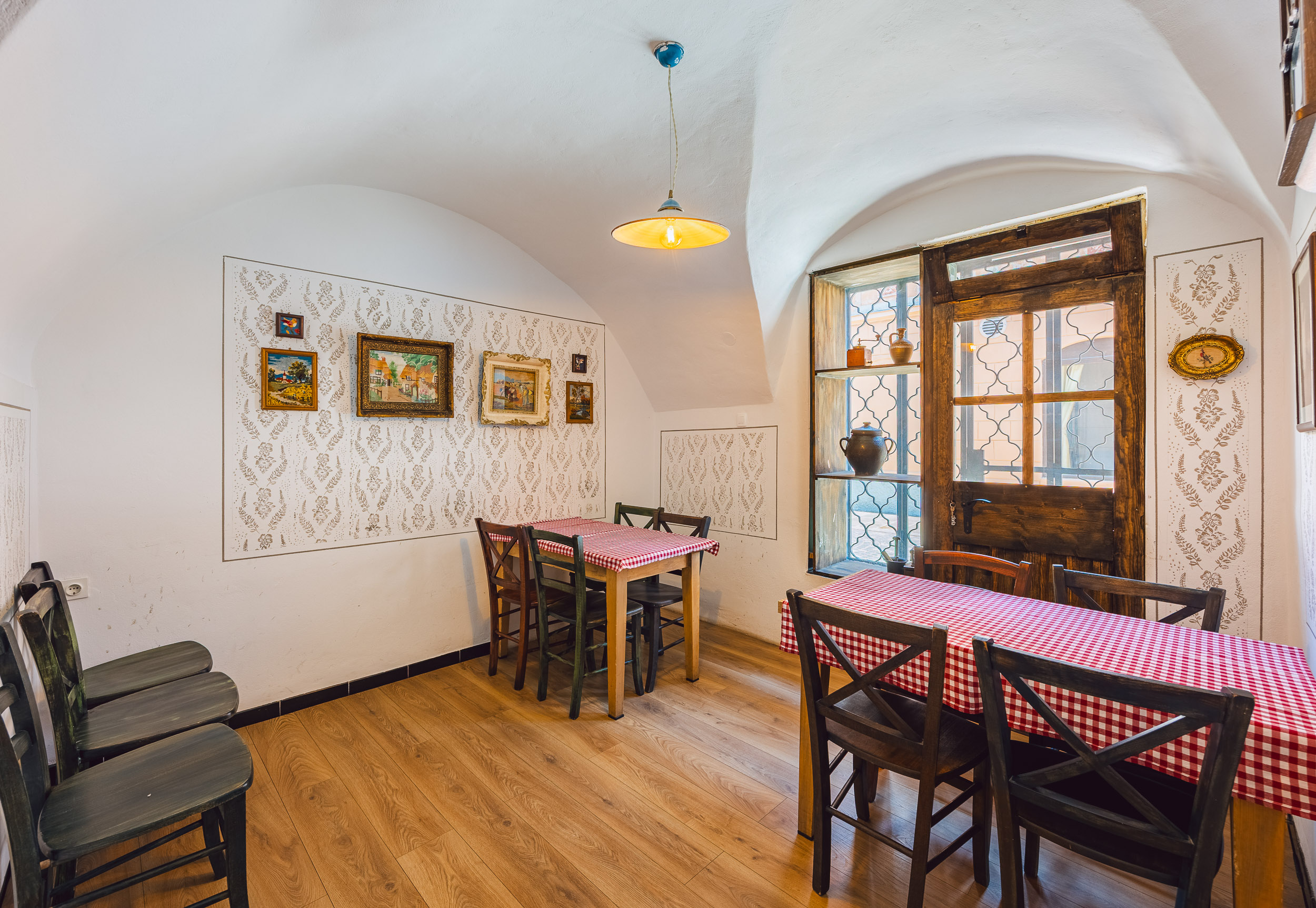
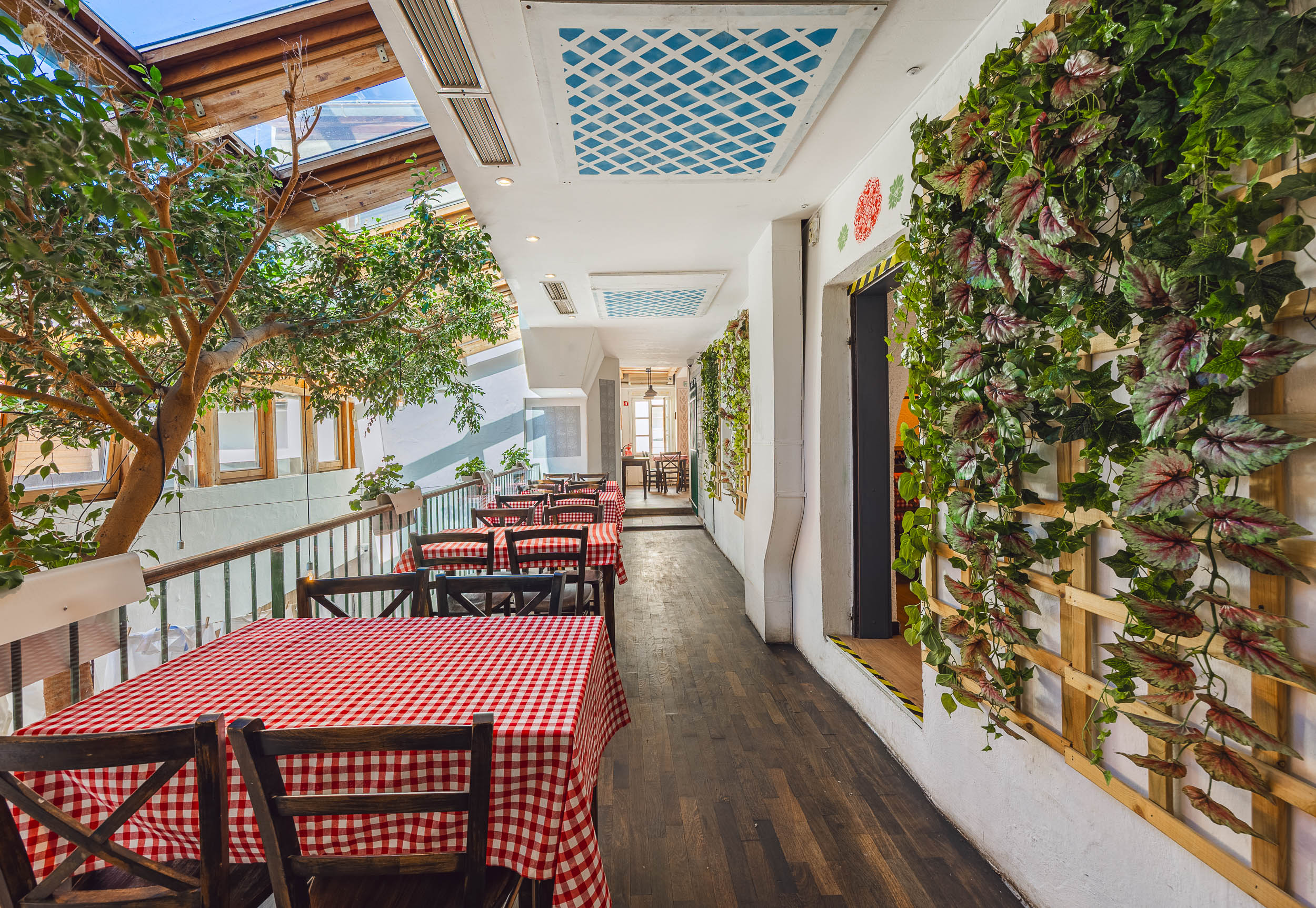
The interior is one of the key elements that, alongside the food, tells the story of Baščaršija across multiple locations. We also have a centralized food preparation facility in one location, which allows us to serve the same high-quality food in both Maribor and Koper.
What do you want guests to feel or think first when they enter your restaurants?
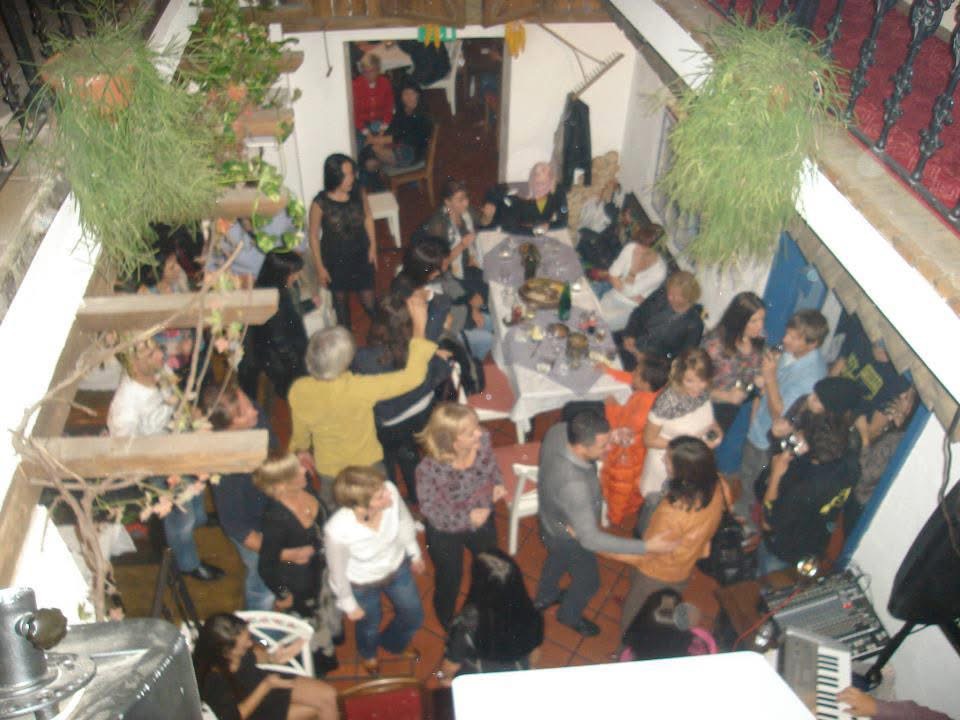
We want to bring the Baščaršija concept in line with what a pub is in England—a place where you feel relaxed and at home, where you can eat during the day and have a drink in the evening.
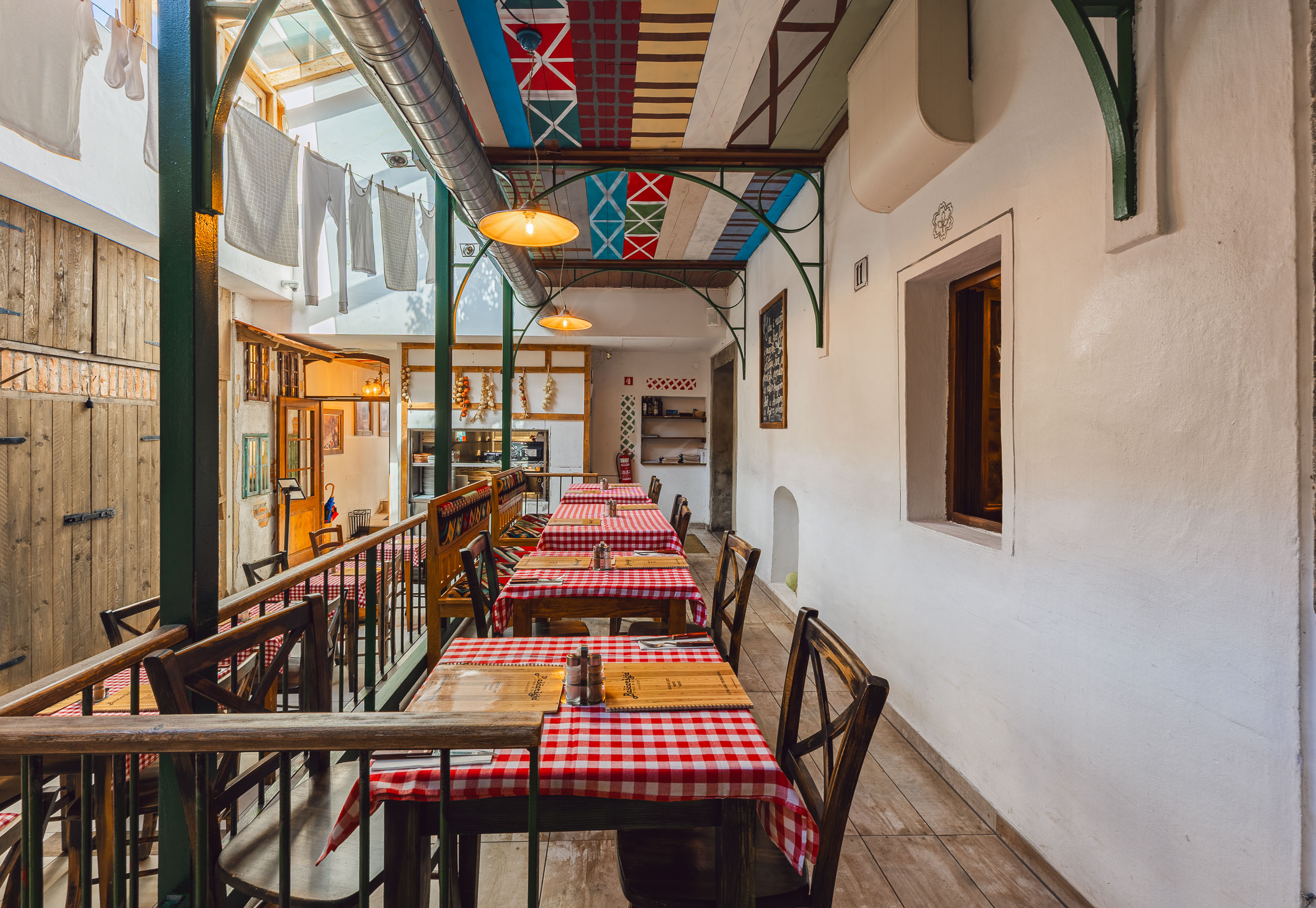
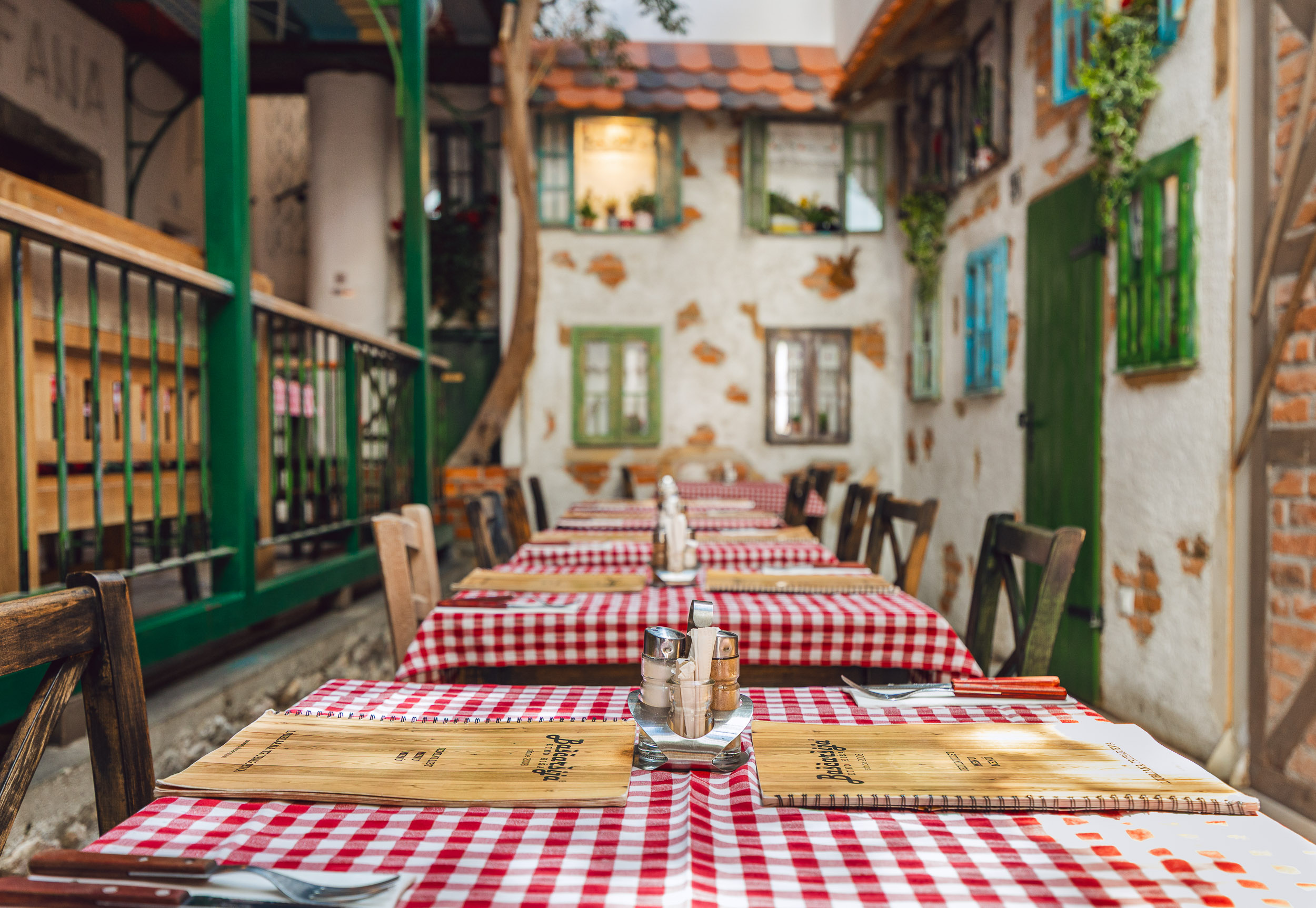
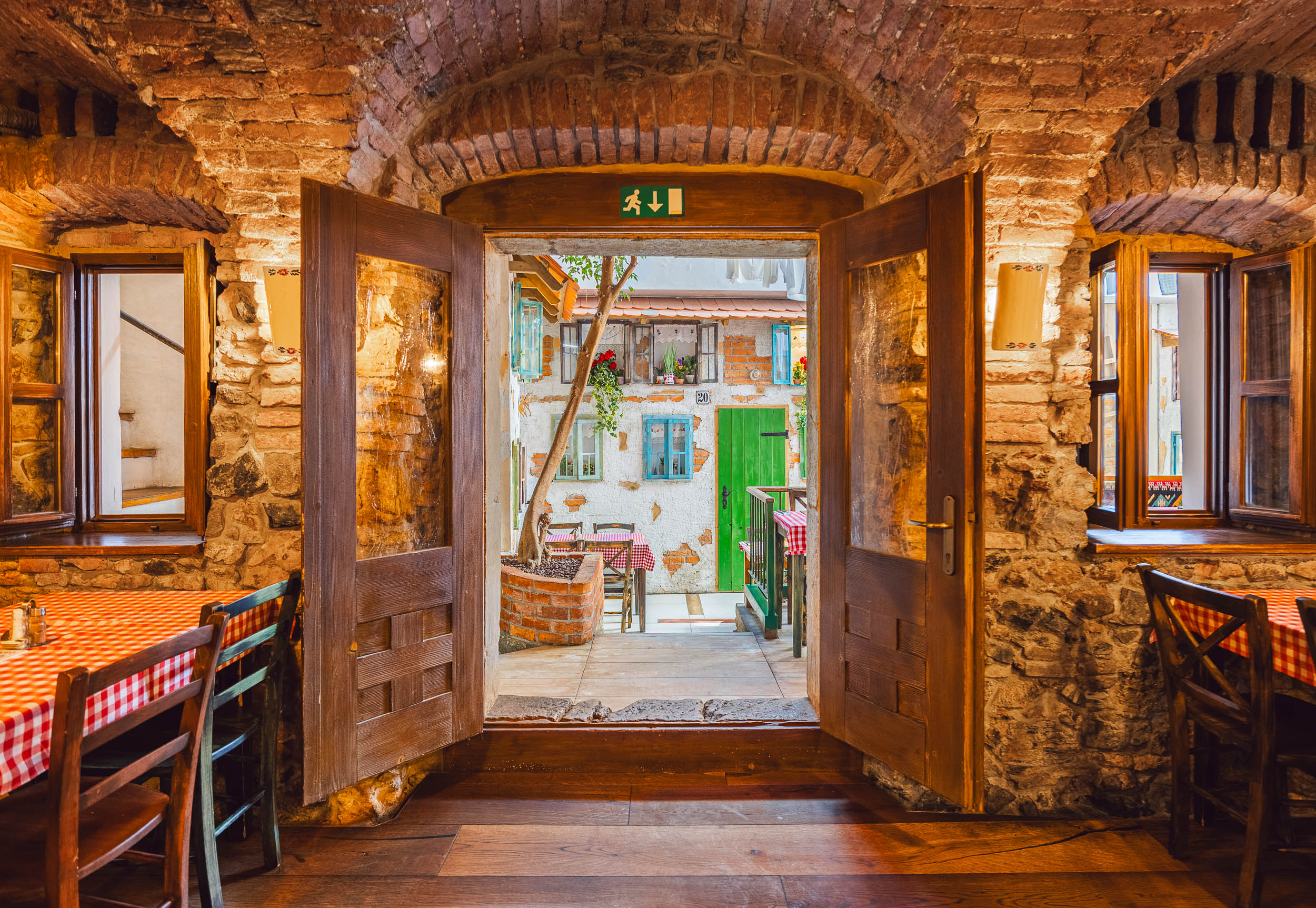
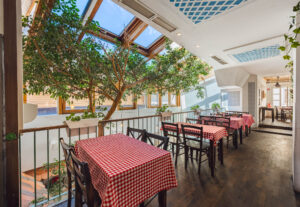
Above all, we want guests visiting Baščaršija to feel the warmth and hospitality that are such a big part of Balkan culture. We strive to achieve this through an interior that reflects our identity and culture, and through our staff’s approach, which welcomes every guest as if they were coming into our own home. We want our guests to feel welcome.
Baščaršija has a unique interior. Who was the creative force behind it, and where did you draw your inspiration from?
Basically, our mom is the creative force behind every element in our home. However, Dragan Gačnik—whom I mentioned earlier—has had an enormous influence on the space itself; my parents have been collaborating with him from the very beginning. He’s involved in every renovation of our new space, and he’s also defined the visual identity of Baščaršija. So my mom and Dragan work together to create the interior of each of our spaces.
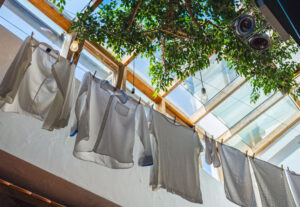
To what extent was the interior designed, and to what extent was it spontaneous?
Despite certain elements found in each of our restaurants, every space is spontaneous. Dragan Gačnik has a unique approach to understanding space, as he merges with it and experiences it through every
So far, we’ve tested his ideas in physical spaces, but as technology advances, we’re leaning toward using 3D visualizations.
What was the first element that defined the space?
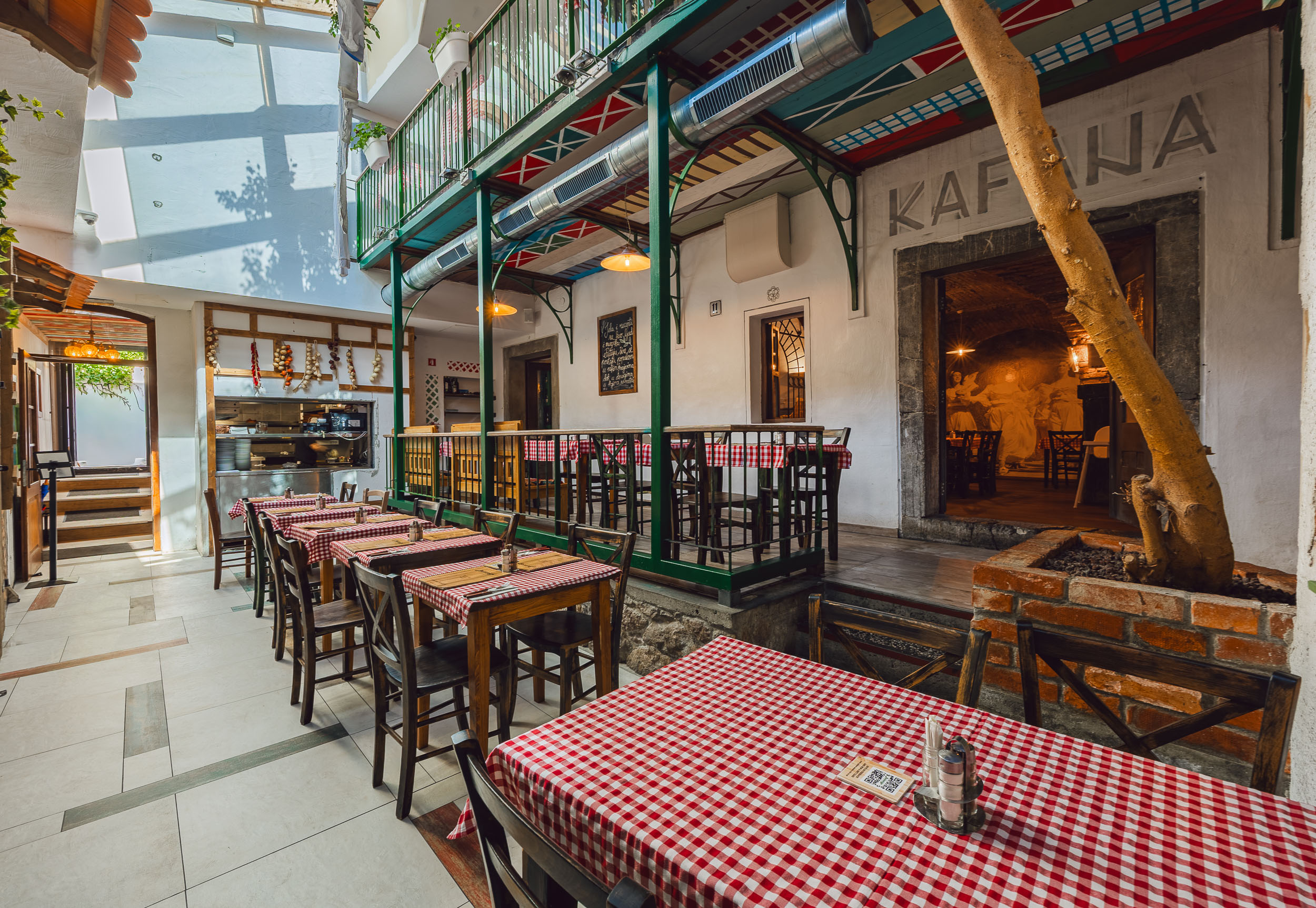
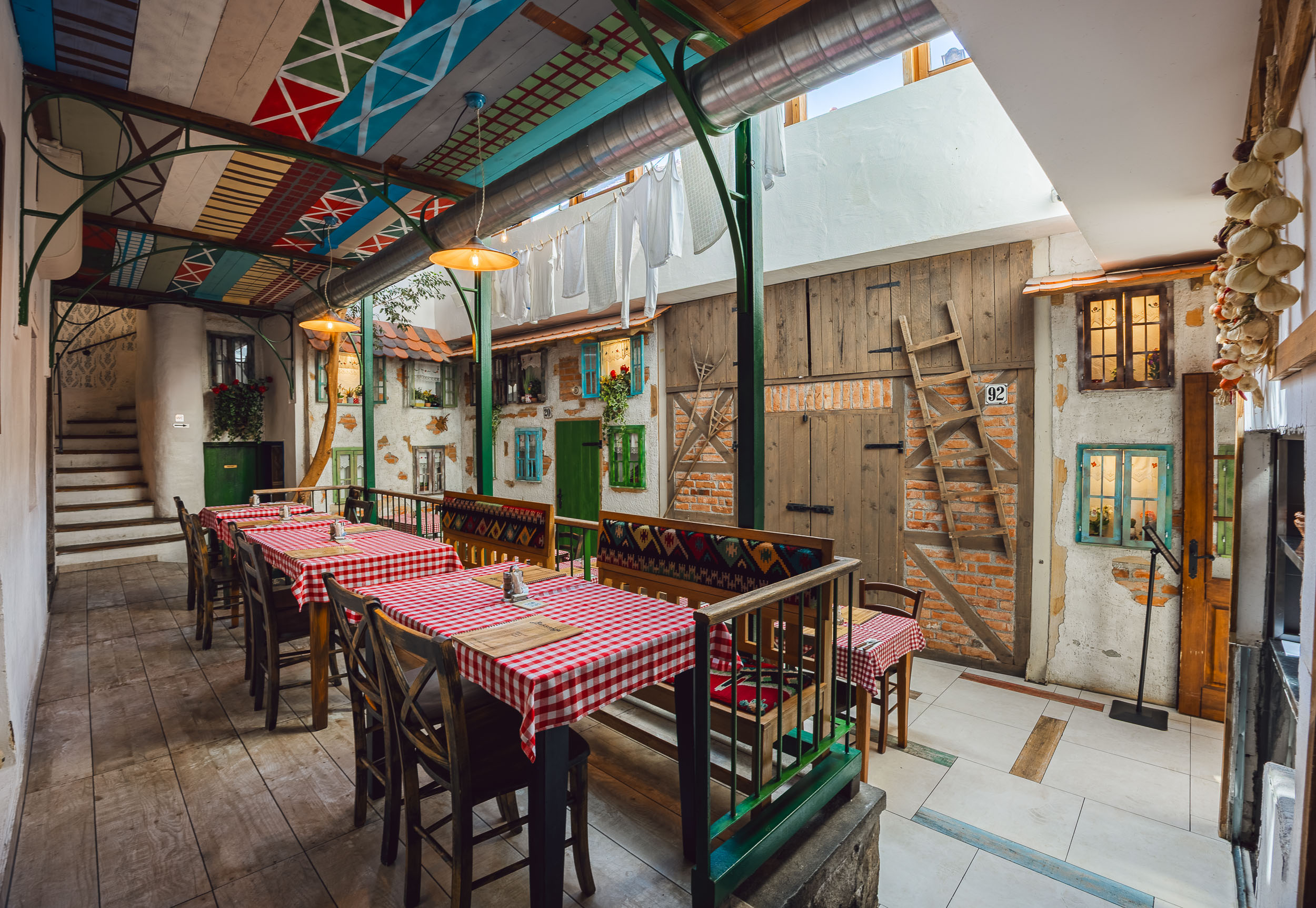
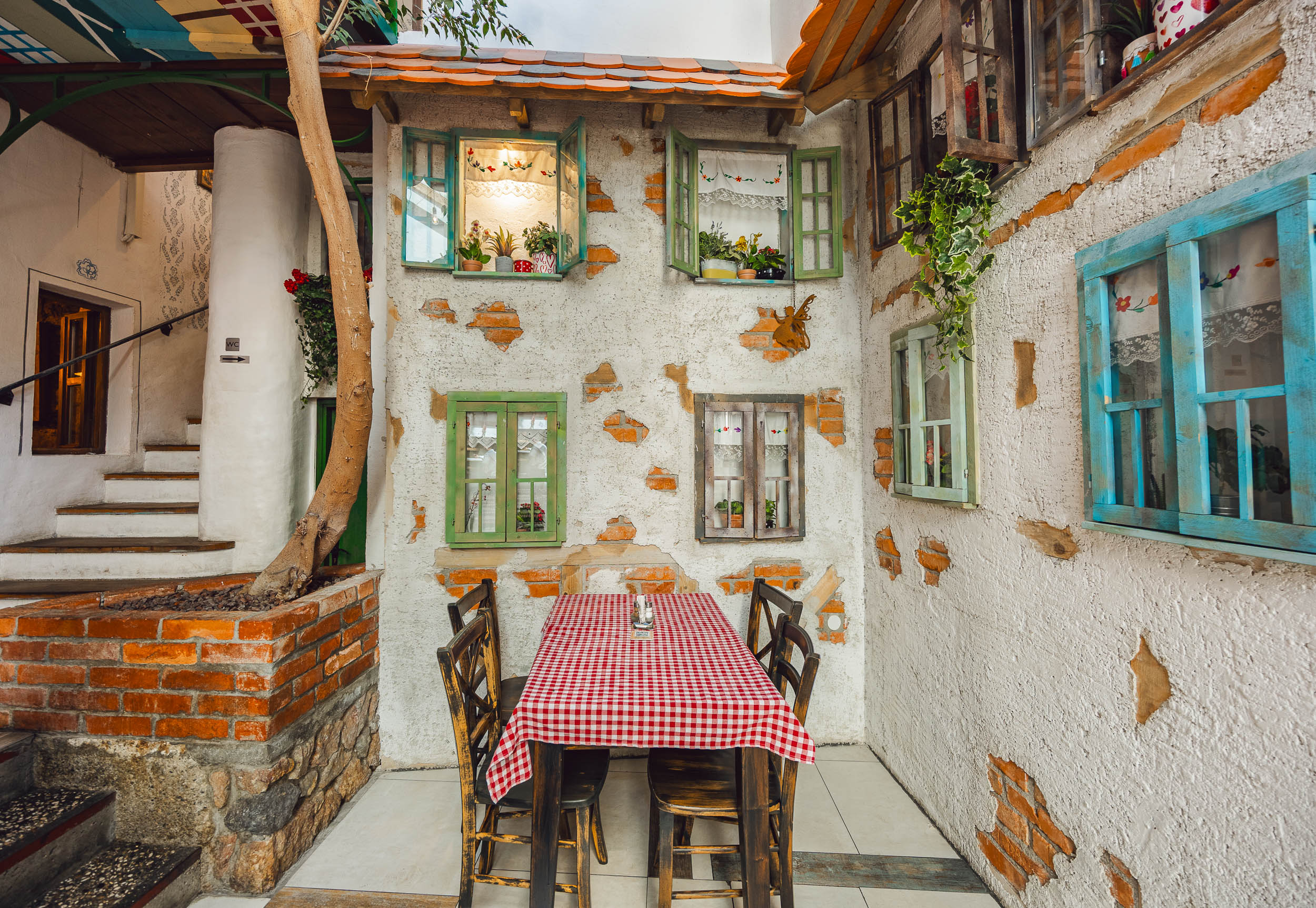
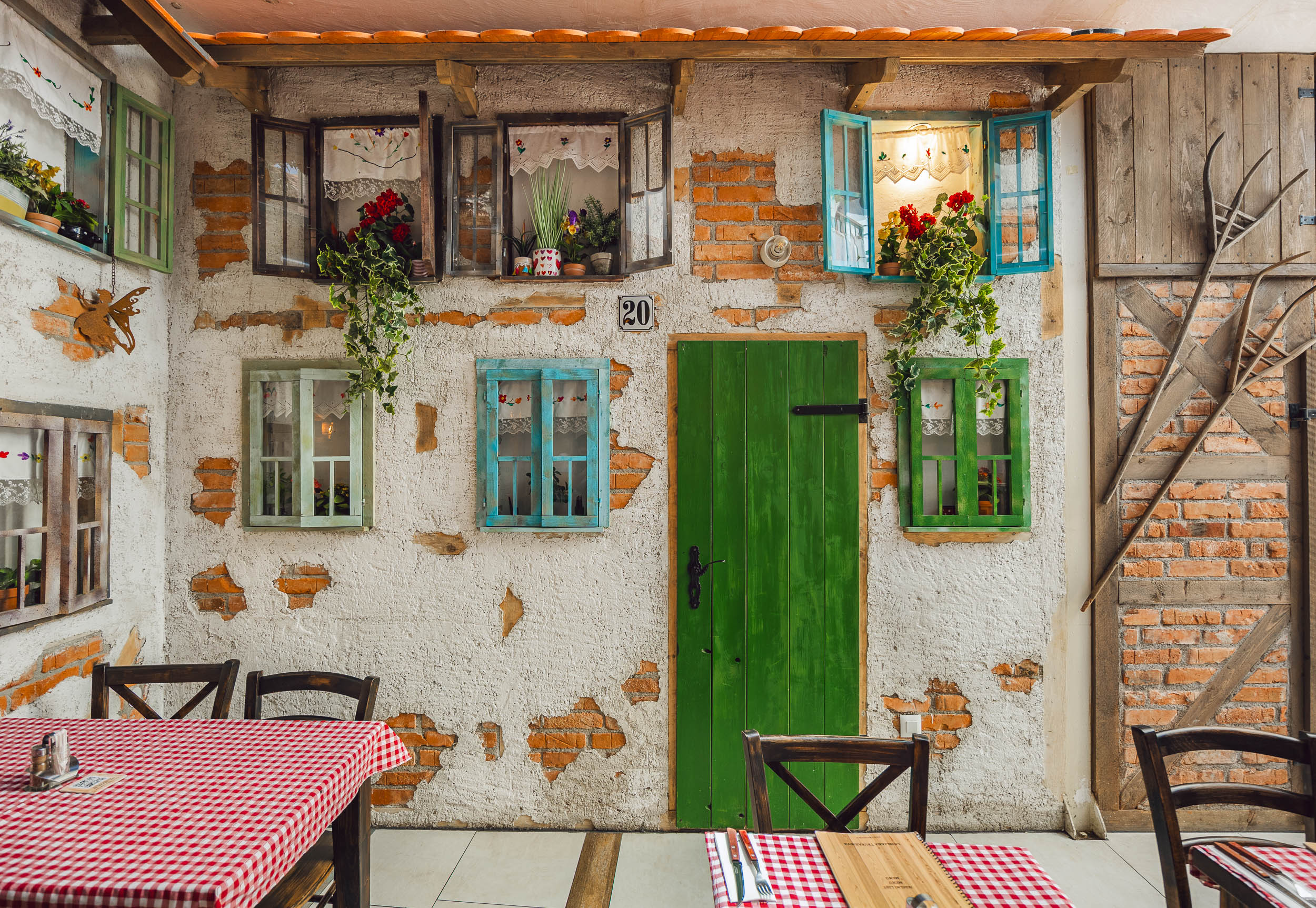
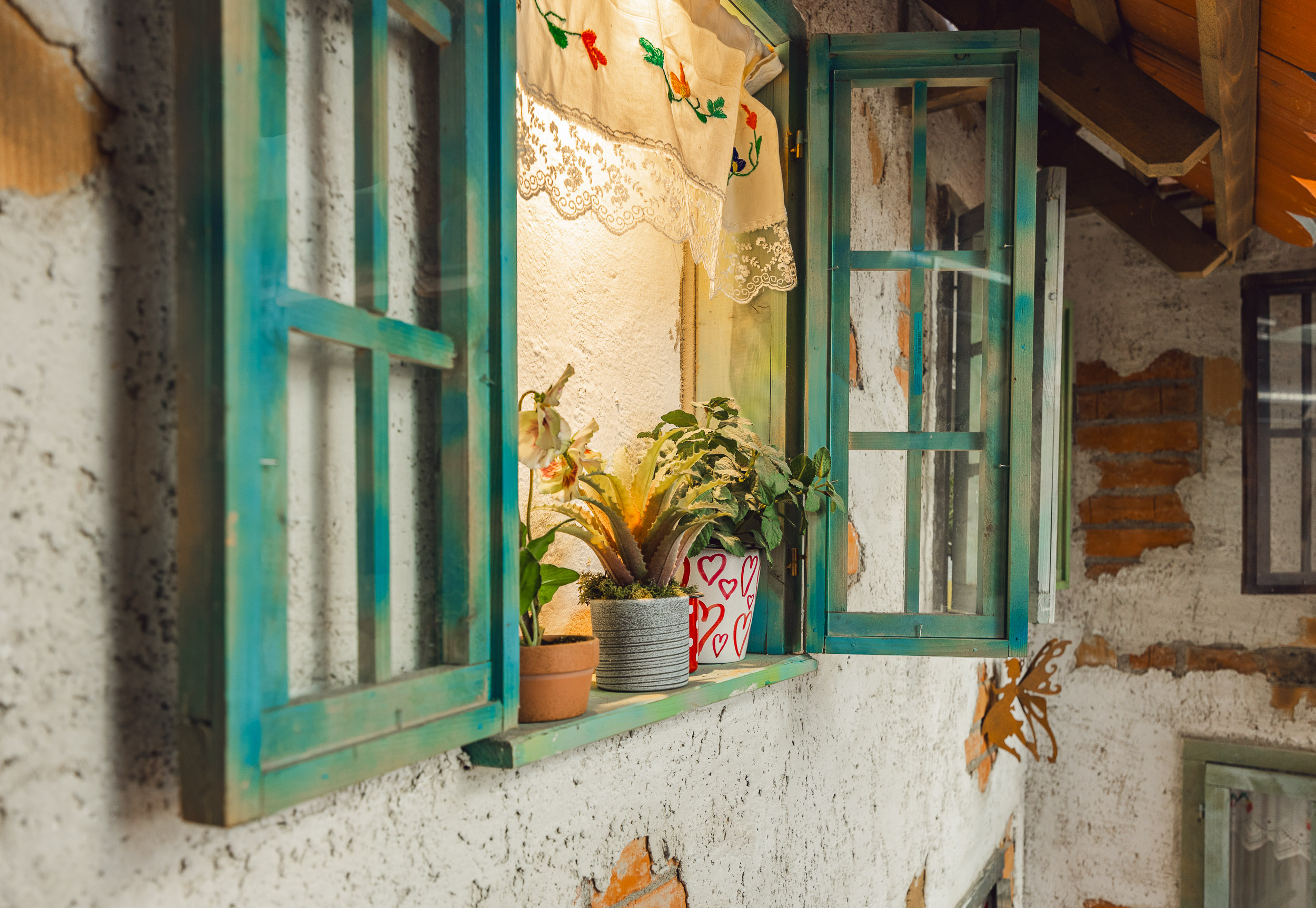
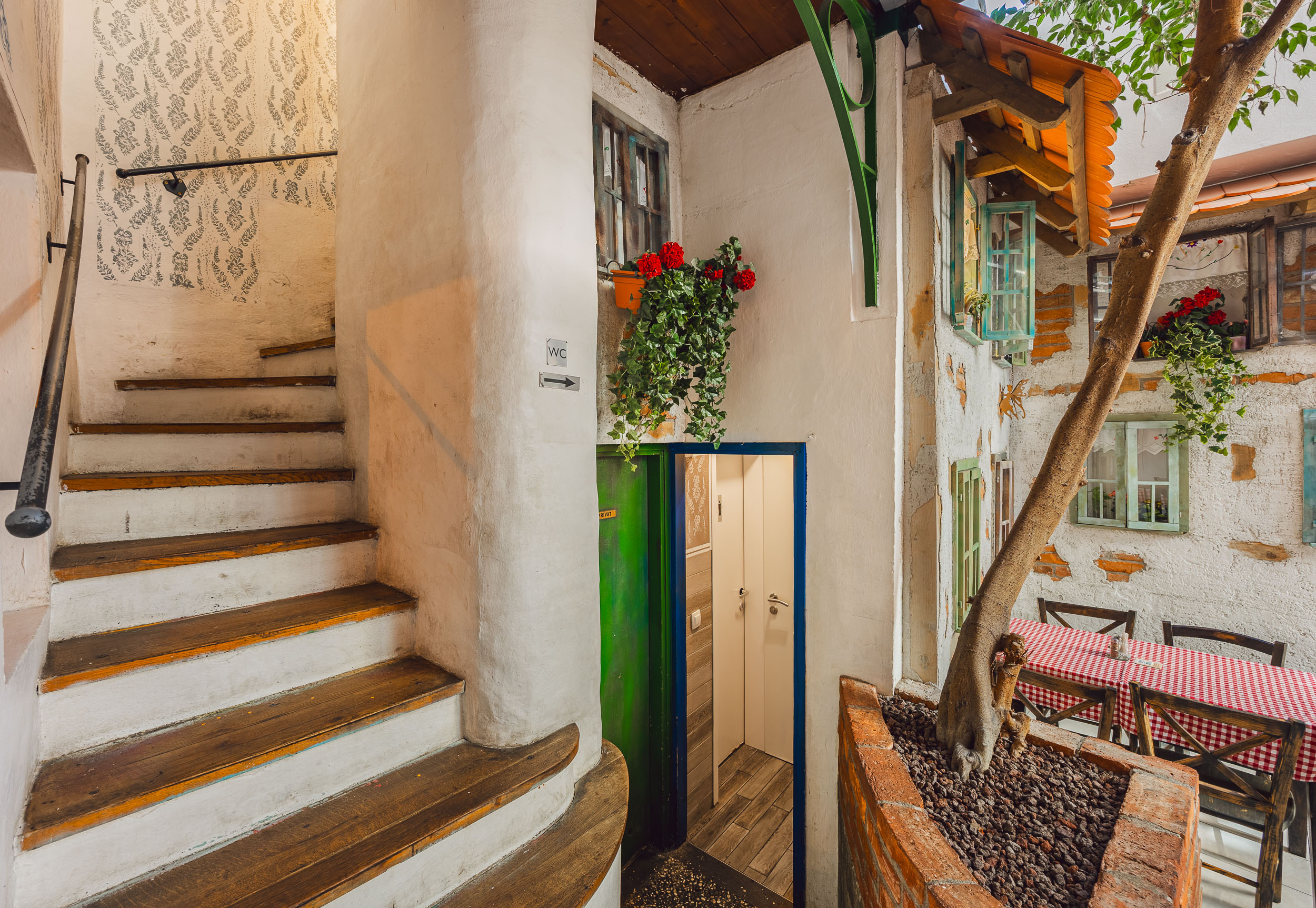
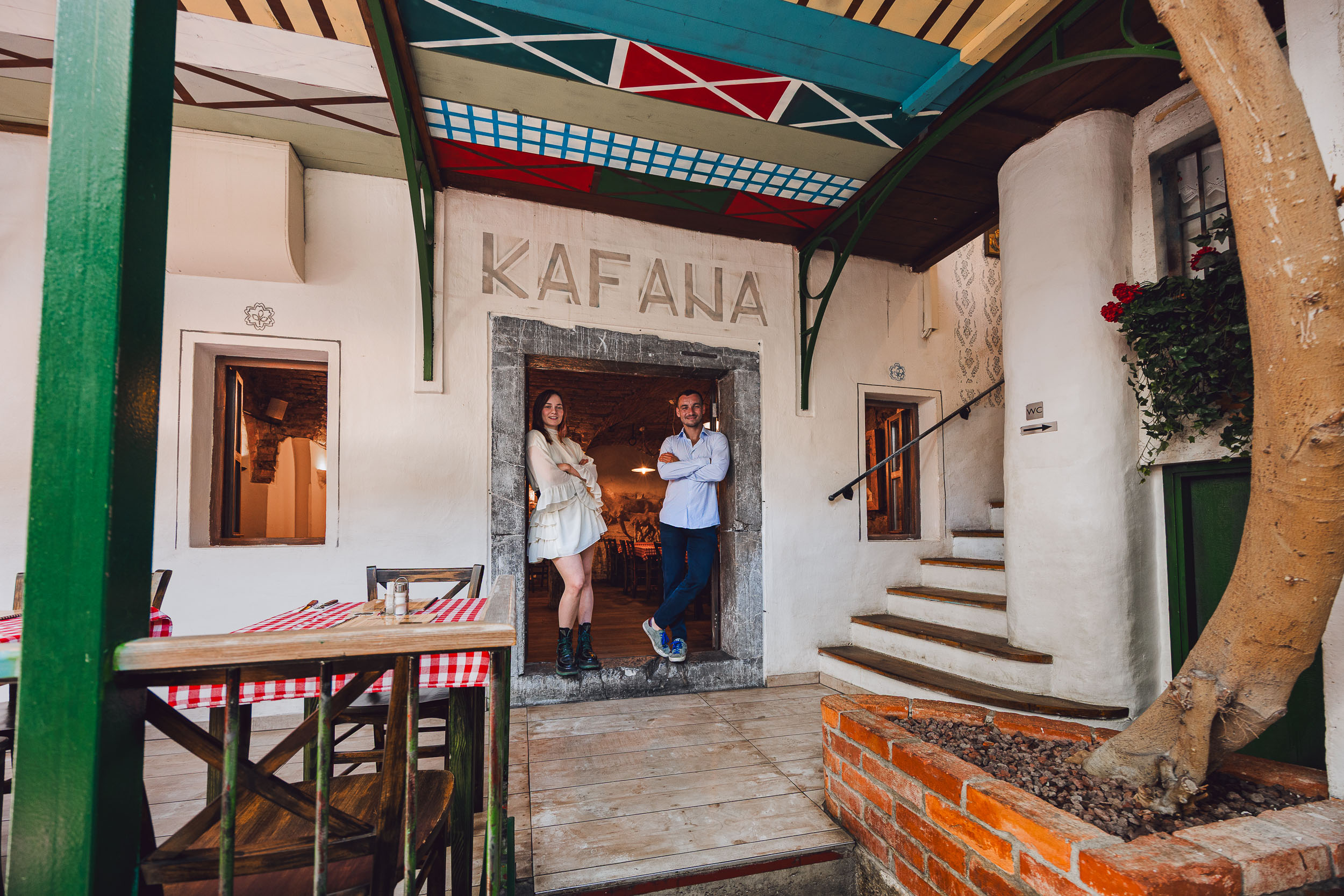
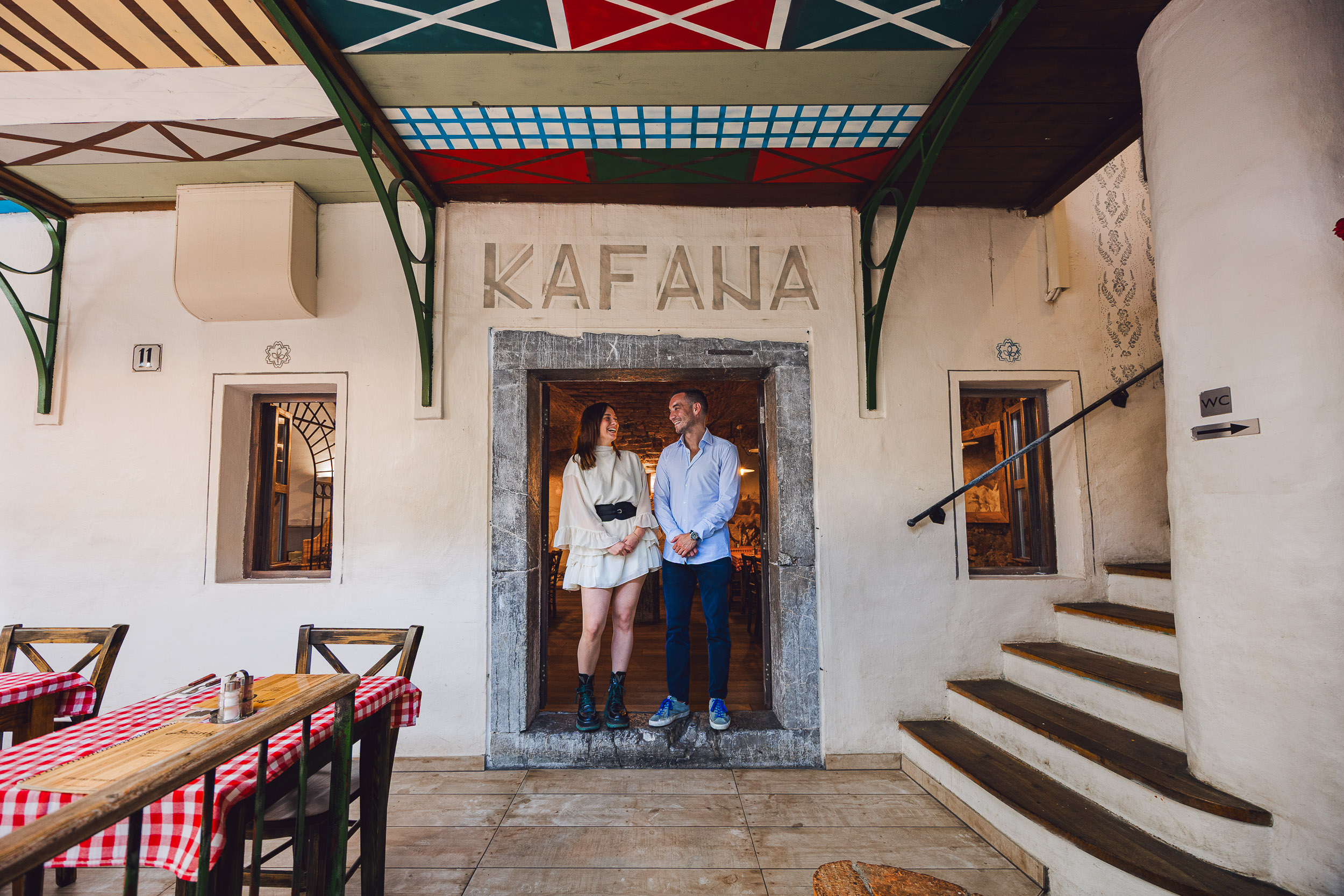
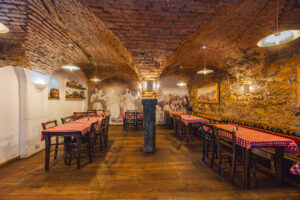
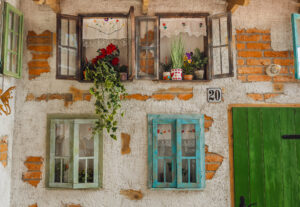
One of the primary elements that defines each of our restaurants is the imitation of an old, crumbling wall, reminiscent of older houses in the Balkans. A key part of the wall is the colorful windows, which are one of the most prominent features found in each of our restaurants.
Are there any objects with a story behind them (family heirlooms, souvenirs from travels, or personal items belonging to guests) incorporated into the interior?
At our restaurant on Poštna Street, you can find a wall featuring photographs of famous guests alongside members of our family.
Do you have plans to expand Baščaršija even further in the near future? Perhaps abroad?
We plan to expand to more than ten locations across Slovenia. We’re currently halfway there, as we’ve just taken over the former Štajerski Hram building in Šentli, where we’ll open our fifth branch.
Of course, we’re also considering expansion into neighboring countries. We share a close cultural connection with Italy, so it’s no surprise that Italian visitors make up a large portion of our guests.
What advice would you give to readers who are embarking on an investment journey and considering the development of a similar real estate project?
Choose a goal that’s worth the extraordinary effort and the tough times to you. Above all, it’s important to set a goal for which you’re willing to go through the ups and downs, because there are plenty of them on the entrepreneurial journey. At the same time, don’t let negative thoughts and moments convince you that you’ll fail.